Coffee Fermentation Needs More Microbiology. Farmers Know Too Little.
Fermentation is gaining ground and driving up green coffee prices. But the trend has outpaced education — writes Natalia Ojeda, microbiologist from Colombia.

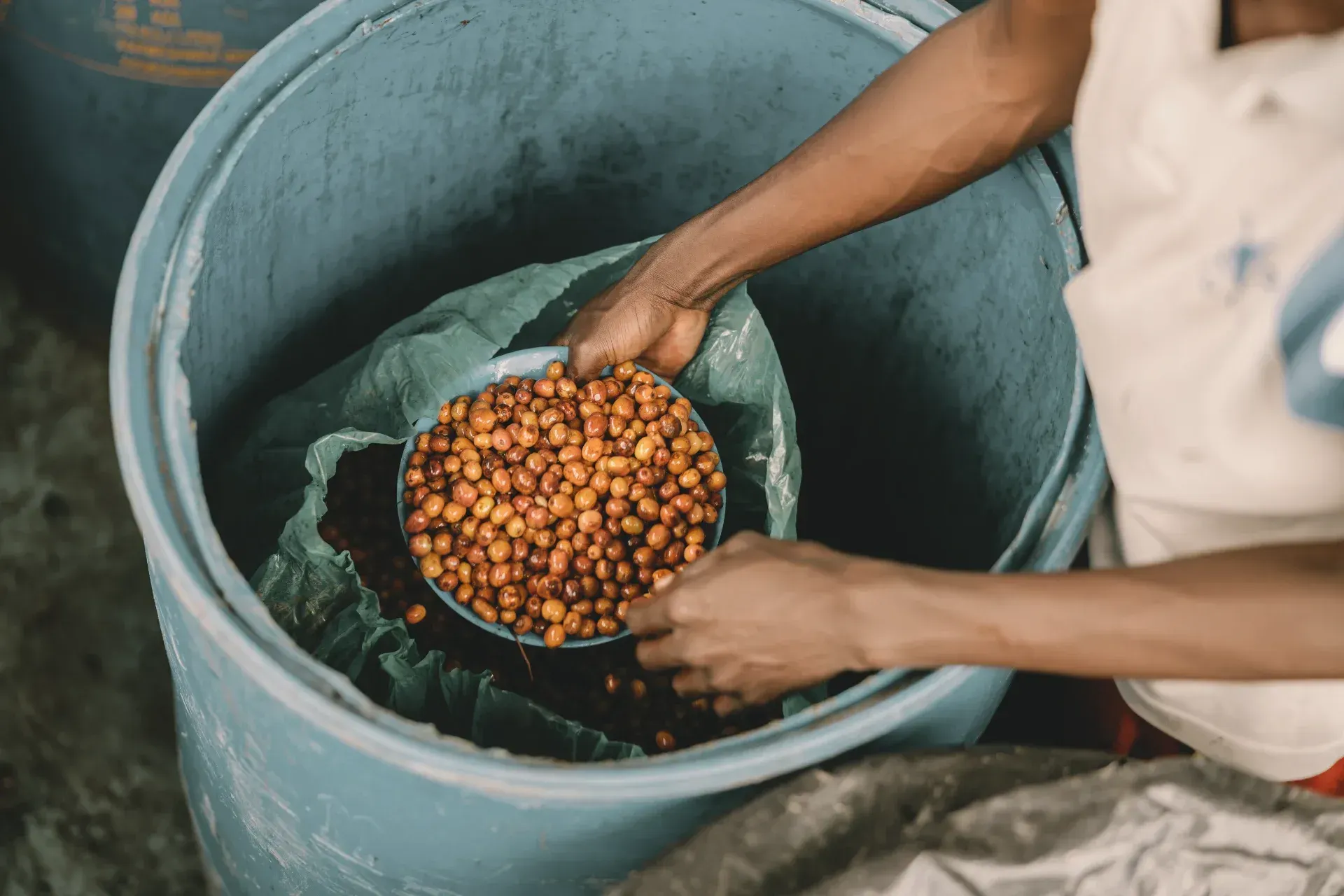
I'm a Gen Z microbiologist. I live and work in Colombia, where coffee is one of the most important parts of the economy. For me, it has always been more of a cultural experience than a scientific one — I probably couldn't identify a fermentation method just by tasting the cup, the way coffee experts can. But when I look at coffee as the result of a biological process, I have a few things I want you to think about.
Fermentation is having a moment. Barrels, labels, process names that sound like cocktails from a trendy bar — it works. Creative branding draws people in, supports green coffee prices, and may even push back, at least a little, against something we all know happens: cafés buy from producers at a fraction of the price they charge their customers. As a market tool, fermentation has real power. And honestly — that's cool.
But the trend has outpaced the education.
Fermentation done right brings real benefits — to quality, to economics, to the environment. But when the process isn't properly controlled, the conditions for microbial imbalance are created — and with them, the potential for mycotoxins and pathogens to emerge. The probability depends on many variables: temperature, pH, duration, hygiene. The risk isn't inevitable, but it's real — and in a product that ends up in someone's cup, it deserves to be taken seriously.
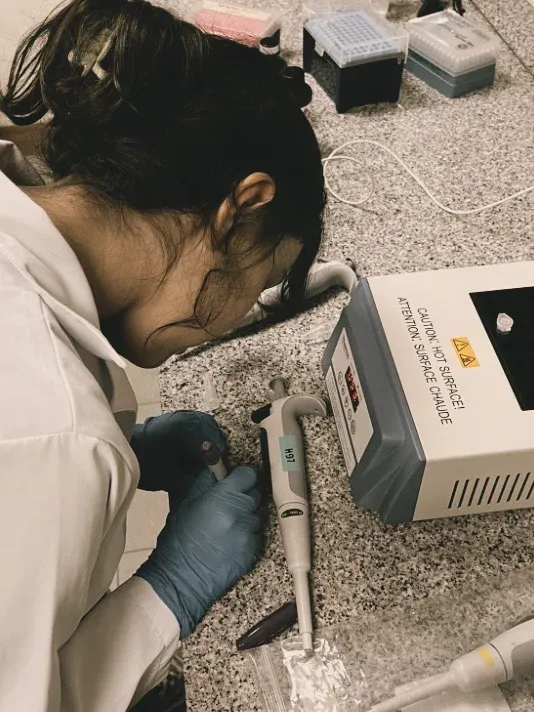
It's worth separating two distinct problems here. Most of the microorganisms that threaten the coffee plant operate at the plant level — attacking fruit, leaves, root systems. That's the domain of phytopathology, not food safety. A fungus that devastates cherries on the tree doesn't necessarily pose a danger to the person drinking coffee made from those cherries. The threats to consumers — mycotoxins, pathogens — are a separate category, requiring separate tools and a different kind of vigilance.
Market pressure is pushing producers into experiments they aren't prepared for. Coffee sealed in secondhand barrels, anaerobic processes run without understanding the variables, fermentation with added fruits — pineapple, lulo, guanabana — that radically shift pH, introduce new sugars, organic acids, and their own microorganisms. Every one of those decisions requires monitoring. Often, that monitoring doesn't exist. Sometimes it's a lack of awareness. Sometimes it's money and infrastructure. In Colombia, I see this clearly — the country has become a global testing ground for new processing methods, while access to microbiological knowledge at the farm level remains deeply uneven.
Read more in the free The Better Coffee Standard.
Let's start with the basics: equipment hygiene. Barrels, tanks, tools — every surface that comes into contact with coffee during fermentation is a potential source of contamination. Residue from a previous batch, invisible to the naked eye, can take over the microbiology of the next one. Proper cleaning isn't a formality. It's the first and cheapest quality control checkpoint available to any producer, regardless of scale or budget.
Cascara — coffee pulp — is produced in massive quantities as a byproduct. It's increasingly finding second lives: as compost, fertilizer for coffee trees, an ingredient in beverages. That makes sense, environmentally and economically. But the husks left after pulping are also a microbial environment. Stored carelessly, they attract pests, generate mold, and can become a contamination source for future batches. Zero waste is a worthwhile direction. It just requires the same vigilance as every other step in the process.
Large brands comply with the regulations needed to distribute their products domestically and abroad. For small producers, meeting those standards can be difficult — sometimes impossible. The gap between what should happen and what actually happens on the farm — in Colombia and everywhere else — is real. And almost no one talks about it out loud.
Here's an idea I'm serious about, even if it sounds like a hackathon pitch: we need a coffee fermentation simulator. An app that shows — interactively, in real time — how coffee changes when you adjust the key variables: pH, humidity, temperature, process duration. Not as an educational toy. As a working tool for farmers who are experimenting without a lab, and for anyone who wants to understand what's actually happening inside that barrel. It would take an interdisciplinary team — coffee experts, developers, engineers, microbiologists. AI would have a real role to play. If you start building it, invite me.
Most consumers have no idea that coffee comes from fermented fruit seeds. And honestly — they don't need to. That responsibility belongs to farmers, to laboratories, to people like me. Microbiology rarely makes it onto the radar of the people drinking the coffee, and I get that. But that's exactly why I'm speaking directly to you — producers, processors, importers: take the time to look beyond the trend, the price tag, and the name of the process.
Fermentation can change coffee. It can change the lives of the people who make it. But first, it has to be safe.
Support this work
If this text was useful to you, you can support Red Ink Coffee.
Contributions help cover basic infrastructure costs and keep this space independent.
Voluntary. No perks. No obligations.