Better Means: Different Doesn't Mean Worse
Discrimination in coffee isn't just a problem of bad individuals. It's a systemic function of the market. The division and segregation of coffee people is built into the structure of the system itself.

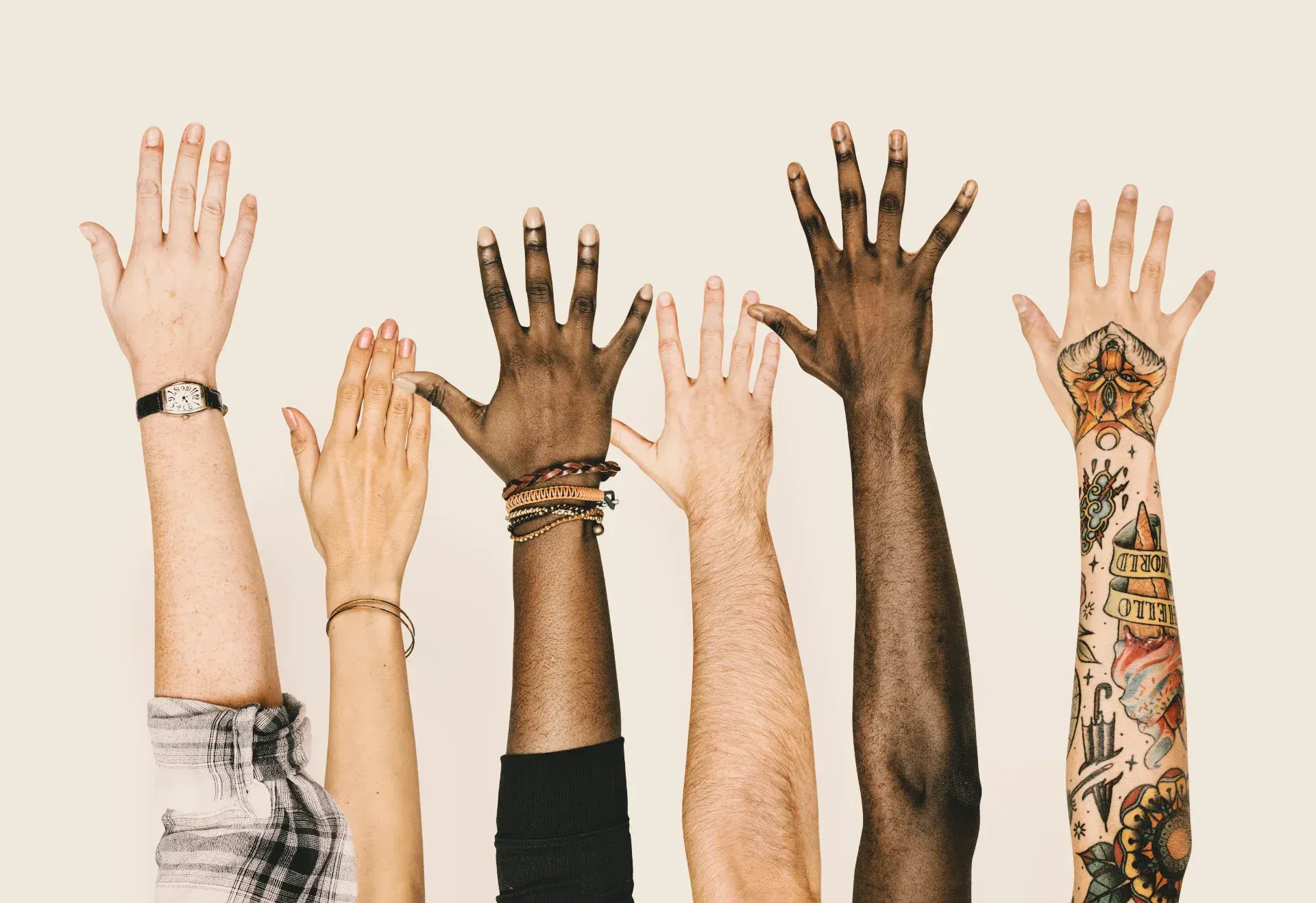
But before we look at the structure, it's worth looking inward.
Each of us operates within a framework of perception — a set of beliefs, values, and reflexes we pick up in the environment where we grow up and live. Most of the time, these frameworks are invisible to us. We don't examine them because they describe our reality efficiently and fit neatly into the system we operate in.
We use them like a tool. In reality, they often use us.
Whatever is different — whatever doesn't fit our framework — we unconsciously evaluate and sort. Sometimes it sparks curiosity, sometimes distance, sometimes outright rejection. In many cases, we simply don't notice. We've already taken a position before we've had a chance to recognize it.
Most of the time, there's no bad intent. But when these reflexes translate into action, they deepen inequality and prop up the mechanisms of exploitation.
We discriminate — even when we're the ones being discriminated against.
These individual mechanisms intertwine with the structure of the coffee market. If you live in a coffee-producing country — often a former colony — you see it clearly. Producing countries export raw material. Consuming countries process it, build brands, and capture most of the economic value. The postcolonial structure is alive and well.
Running alongside it are neocolonial mechanisms — subtler, but just as effective. They reproduce that structure through language, quality standards, industry education, and the stories told about coffee. No armies needed, no colonial decrees. A certification designed somewhere else will do. A sensory standard written in someone else's language. An award handed out by a jury from another continent.
On top of that inequality sits another: economic.
Visibility and influence in coffee almost always go hand in hand with access to capital. Certifications, training, travel, equipment, industry events — all of it costs money. In many producing countries, that's a barrier that's nearly impossible to clear. Poverty gets read as a lack of competence rather than a structural outcome. The familiar story kicks in: if you're resourceful enough, you'll figure it out. The glass ceiling stays right where it is.
Even specialty producers — those with access to capital, technology, and global markets — aren't free from discrimination.
One of its subtler forms is coffee tourism. Coffee trips to producing countries have become a marketing staple for roasters and influencers. They fly in, take photos, shoot content, and build their brand on images of someone else's culture and landscape. Local communities are mostly just backdrop. The profit from the story flows back to consuming countries.
It's no accident that the face of specialty coffee looked the same for years: a white man from Europe or North America. Since 2000, only two women have won the World Barista Championship (wins by representatives of producing countries are equally rare). Women's successes are still treated like novelties.
Gender discrimination remains one of the most visible problems in coffee. Women face it at nearly every level of the system — from the farm to the café. Sexism, paternalism, restricted access to land, credit, inheritance. A woman who achieves economic success is still treated like an exception to the rule.
At the specialty level, another mechanism surfaces: cultural solipsism.
Standards developed in Scandinavia, Australia, and North America became the global norm. Light roasts, filter coffee, minimalist aesthetics. Anything outside that template gets written off as different or inferior. Turkish coffee, coffee with sugar, coffee with spices — traditions embedded in many cultures — get reduced to exotica or folklore. The Ethiopian buna ceremony, the Arabic qahwa tradition, the Turkish coffeehouse culture inscribed on the UNESCO list — all flattened into storytelling props for roastery websites.
Read more in the free The Better Coffee Standard.
The culture of producing countries shows up in the industry as product packaging. Photos, clothing, rituals — deployed in marketing, stripped of the agency of the people they belong to. Their culture becomes décor, not a voice.
Then there's language. English became the language of the coffee industry. Without it, access to education, certifications, contracts, and international networking is severely limited. Other languages often exist only as translations of English-language standards and training materials. Local knowledge — passed down through generations, rooted in a specific place — is invisible, because there's no English name for it and no English-language publication to describe it. Language dominance creates its own hierarchy, one that's invisible to those it benefits.
Can we fully escape these mechanisms? Probably not. They're deeply embedded in social and economic structures — and in our own perceptual frameworks.
But we can try to recognize them. And move through them consciously.
Cultural plurality isn't an abstract slogan. It's a daily practice of paying attention to difference — and protecting it. It means changing the narratives we use. Reflecting on how we build brands, products, and stories about coffee. Sometimes it means a very simple decision: stop using people and their culture as a marketing tool.
Better doesn't mean unified. It means caring for difference — and taking responsibility for how we see it, name it, and protect it.
Support this work
If this text was useful to you, you can support Red Ink Coffee.
Contributions help cover basic infrastructure costs and keep this space independent.
Voluntary. No perks. No obligations.