Coffee People: Mario Roberto Fernandez Alduenda
Mario Roberto Fernandez Alduenda, Technical VP at the Specialty Coffee Association, on standards, shade-grown coffee, and the aging of coffee farmers. Four questions — everything the industry rarely stops to hear.

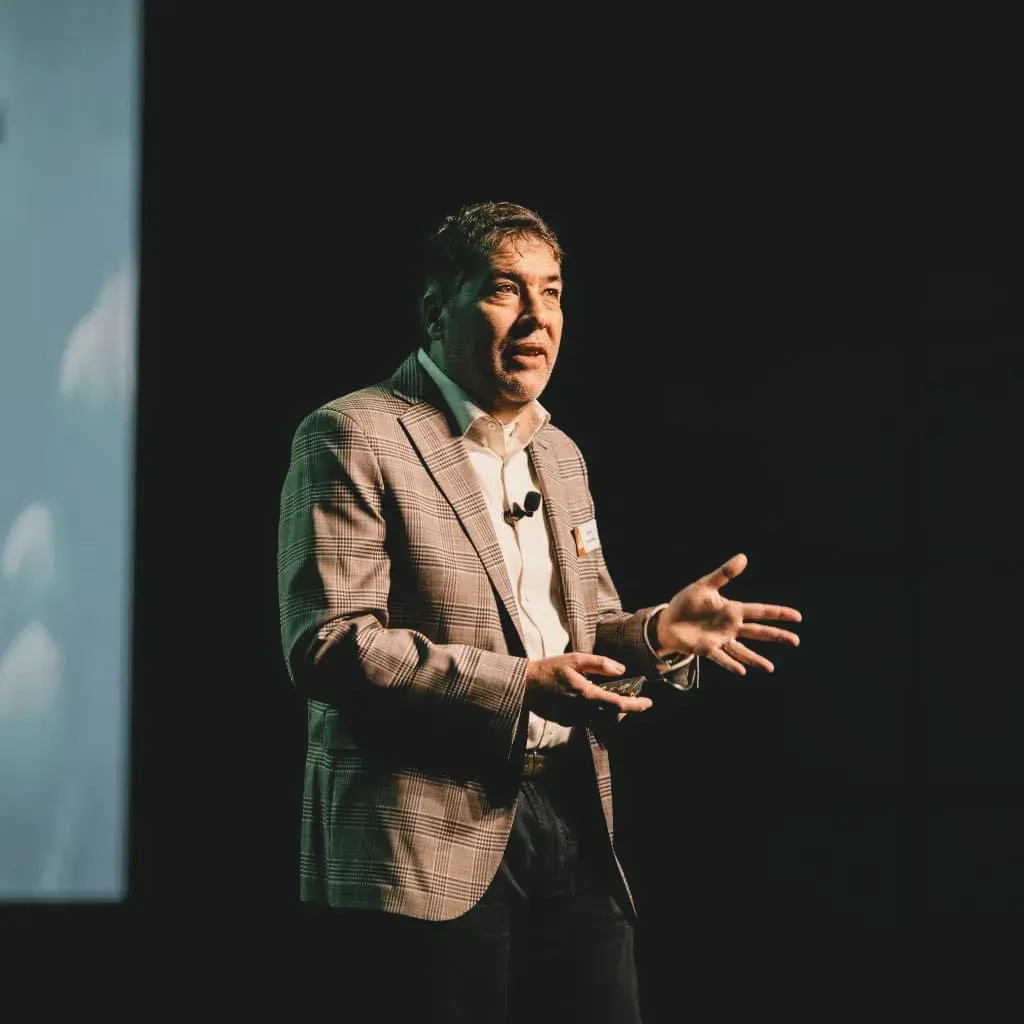
Coffee people.
The Better Coffee Standard defines it precisely: everyone whose life and work are bound to coffee, at every stage of the coffee circle — including those working under coercion, economic dependency, or without pay. Their families. Those who keep them standing.
Read more in the free The Better Coffee Standard.
The industry never stops talking about coffee. It rarely stops to talk about the people behind it. Red Ink Coffee exists, in part, to change that.
Coffee People is a series of portraits. Four questions — their voices.
Who are you and what do you do in coffee?
I come from a family in Veracruz, Mexico, that has been involved in coffee production, exporting, and roasting for generations. I studied Food Technology and Food Science and have worked in the coffee industry since 1993. Throughout my career, I have held various roles across the coffee value chain, including producer, processor, exporter, roaster, and retailer. However, most of my professional experience has been in technical roles within coffee-focused nonprofit organizations. Since 2020, I have worked at the Specialty Coffee Association, where I currently serve as Technical VP. In this role, I am responsible for standards development and provide technical support for a variety of initiatives, including research projects.
Tell us about a moment in your work with coffee that you're genuinely proud of.
I am proud to have been part of the team that developed the Coffee Value Assessment (CVA). While only time will tell how widely it is adopted and how impactful it ultimately becomes, I hope it helps create a more transparent and fair way to evaluate coffee and communicate its value by recognizing the many different attributes that can make a coffee special.
What's one problem you see in your part of the coffee world — and why does it matter to you personally?
As someone who often has a bird's-eye view of the coffee industry, I see that we face many challenges. However, I would like to highlight one that is rarely discussed and is especially important to me personally: the value of shade-grown coffee. Shade-grown coffee cultivation helps protect water resources, soil health, and biodiversity. It both sequesters carbon and mitigates the effects of rising temperatures on coffee plants. Ultimately, shade farming increases the resilience of farmers, coffee trees, and the broader landscape. Yet this topic receives far too little attention. Many consumers are unaware that they can choose a type of coffee that delivers these significant environmental and social benefits. As an industry, we have much more to communicate about shade-grown coffee if we are truly committed to sustainability and resilience.
What would you change if you could — and what would better look like for you?
One thing I would change, if I could, is the increasing age of coffee farmers. I wish more young people would return to their families' farms, bringing with them what they have learned about modern business, technology, and innovation. I would love to see a new generation of coffee farmers committed to bringing coffee production into the 21st century—finding new ways to collaborate and organize themselves, and creating greater value for their coffee through differentiation and by reaching further downstream in the supply chain.
You are coffee people. Tell us.
Four questions. Any language. Any format.
- Who are you and what do you do in coffee?
- A moment you're genuinely proud of.
- One problem in your part of the coffee world — and why it matters to you.
- What would you change — and what would better look like?
Include a short bio and a photo from your work environment. Send your answers to redinkcoffee@thebettercoffee.org
Support this work
If this text was useful to you, you can support Red Ink Coffee.
Contributions help cover basic infrastructure costs and keep this space independent.
Voluntary. No perks. No obligations.