In coffee, it is easiest to talk about product quality. It is much harder to talk about quality of life.
Coffee people don’t have it easy. Working with coffee is no walk in the park.
You’ll recognize this.
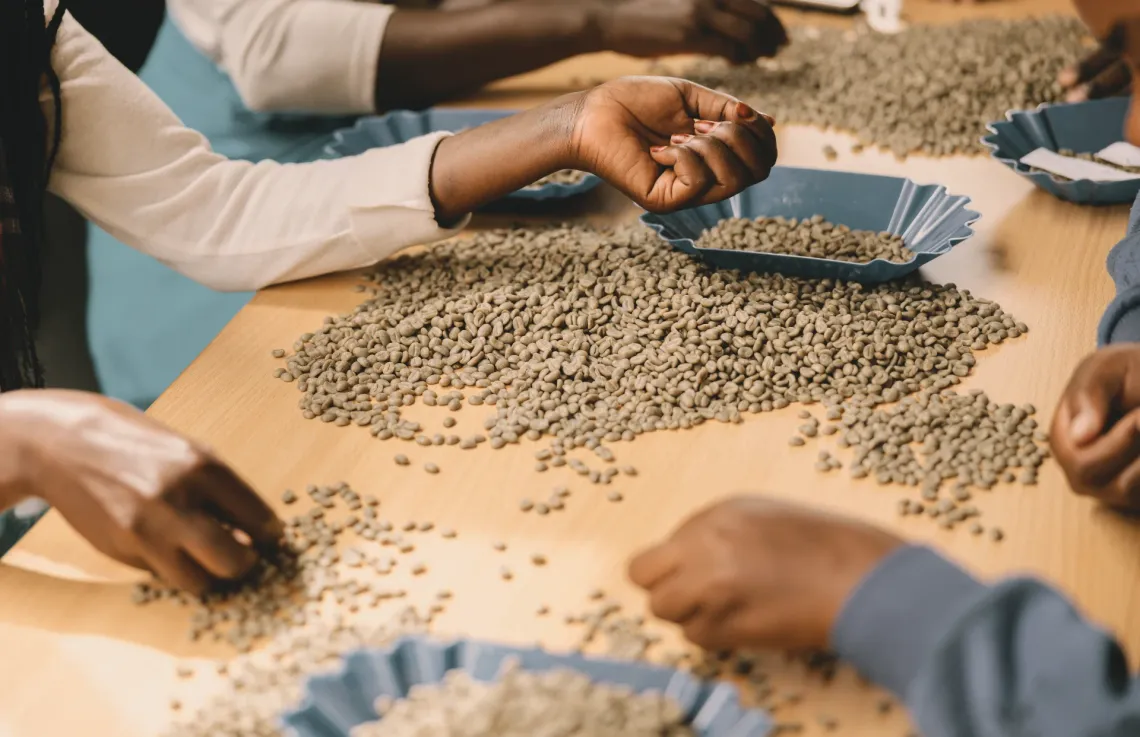
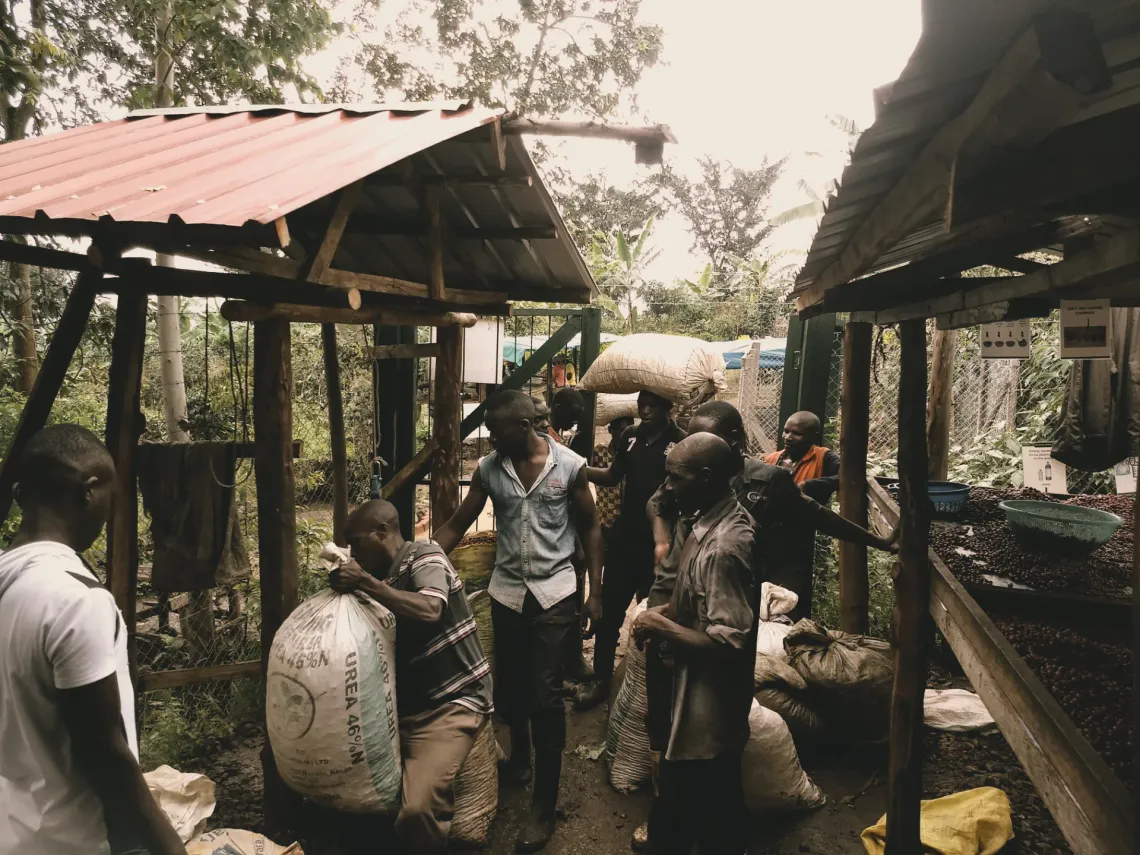
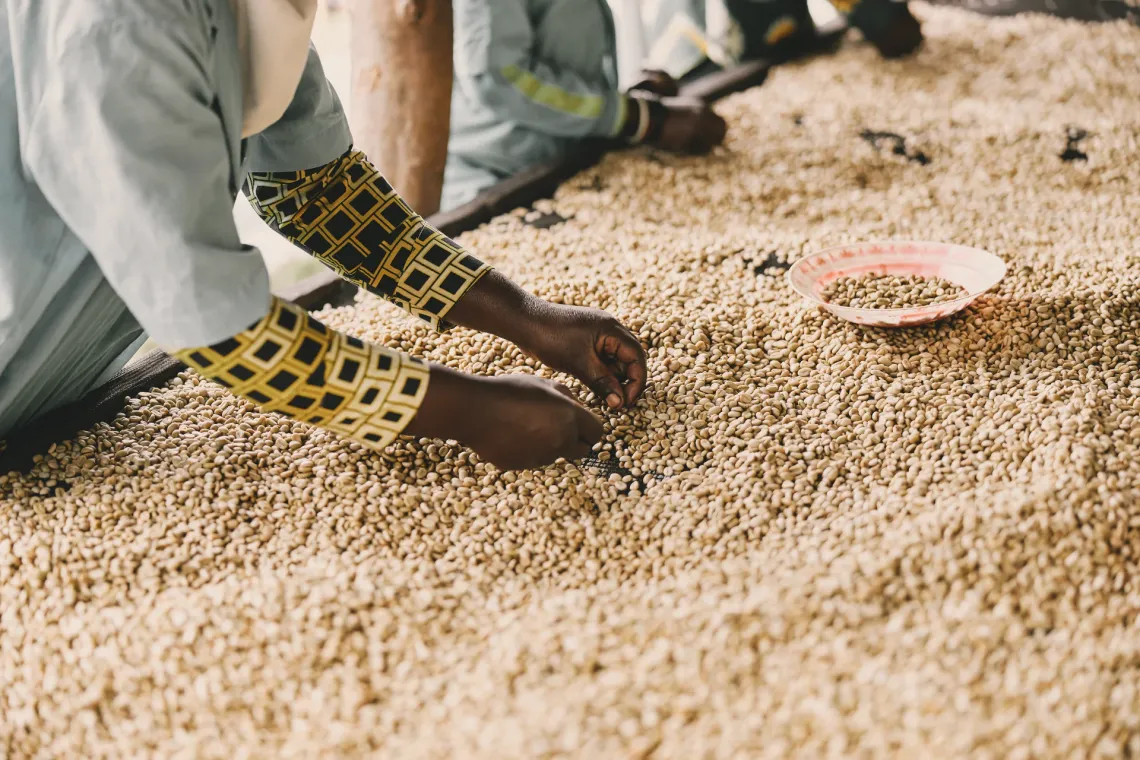
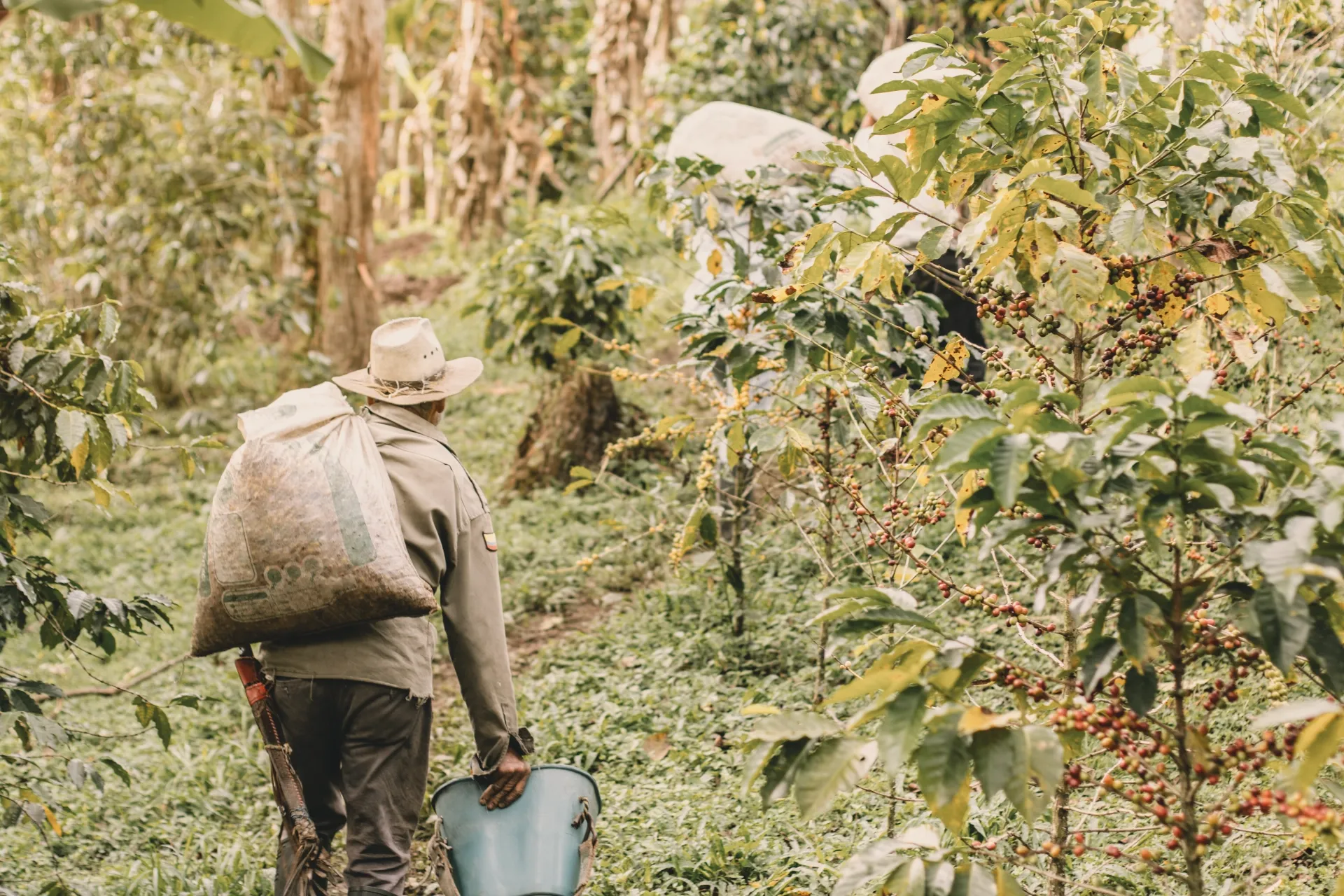
Physical strain: picking coffee berries, processing, drying, sorting, carrying sacks, working in the roastery, long shifts behind the bar. The body is the tool of work here—from beginning to end.
Exhaustion. Undereating. Sleep disorders. Pain in the back and limbs. A stiff neck. Chemicals, dust, hot machines. Injuries and illnesses. Sometimes premature death—because treatment was unaffordable.
Psychological strain: no vacation, low pay, hostile environments, competitive pressure, financial problems, loans.
Constant readiness to be attentive, available, and pleasant. Chronic fatigue and burnout. Fear and anxiety. Depression, other mental illnesses, suicides.
There are countless concrete cases here. Maybe you’ll tell us yours.
Quality of life—physical and mental health, living conditions, human happiness, a lighter burden of worry, the possibility of a genuine smile and contentment. This is what lies behind well-being.
This is achievable.
But not in today’s coffee.
Read more in the free The Better Coffee Standard.
At every turn you meet baristas burning out in emotional labor “with people.” Roasters with torn muscles, so exhausted that one batch blurs into the next. Pickers with sprained ankles. Farmers standing in line at the loan office. Latte art champions with degenerative wrist conditions. There is no area of coffee work where health and mental problems do not pile up.
Prevention exists—but it is fragmented, dependent on national authorities, unevenly accessible, or so expensive that in practice it is out of reach.
And it is in these problems—in the quality of life of coffee people—that the meaning of working with coffee is decided.
Assess well-being: this is where the system betrays itself the fastest.
A comfortable life in coffee is a privilege, not a given. In the stratified community of coffee people there are those who, enriched, live in luxury—and those on whose heads rain pours through a hole in the roof.
Loss of meaning, health problems, and unhappiness resonate through both coffee production and consumption. Too easily they become a private matter—treated as a sign of supposed inadequacy or a lack of “resilience.”
We do not show deficits in well-being publicly—out of shame or fear of judgment. Yet transparency cannot concern only “production,” understood technically. It must also include the well-being of producers and all workers. Without this, specialty coffee remains a façade hidden behind numbers. And stories from plantations, roasteries, or cafés become accounts of positive moments only—imagination, or simply lies.
What is frightening is that well-being often does not depend on our decisions. Even more frightening is that we give it up ourselves, in exchange for work and the most basic living conditions. We tell ourselves that comfort will come with time, and that health will last forever. Meanwhile, work in coffee is subordinated to market logic, not to well-being.
In today’s specialty coffee, well-being is rarely protected systemically. It remains a cost that each person bears alone.
Support this work
If this text was useful to you, you can support Red Ink Coffee.
Contributions help cover basic infrastructure costs and keep this space independent.
Voluntary. No perks. No obligations.