Good Coffee?
A drink can taste wonderful and earn a high score. But what does good coffee mean when the people who picked, sorted, roasted, and served it struggle to meet their needs?

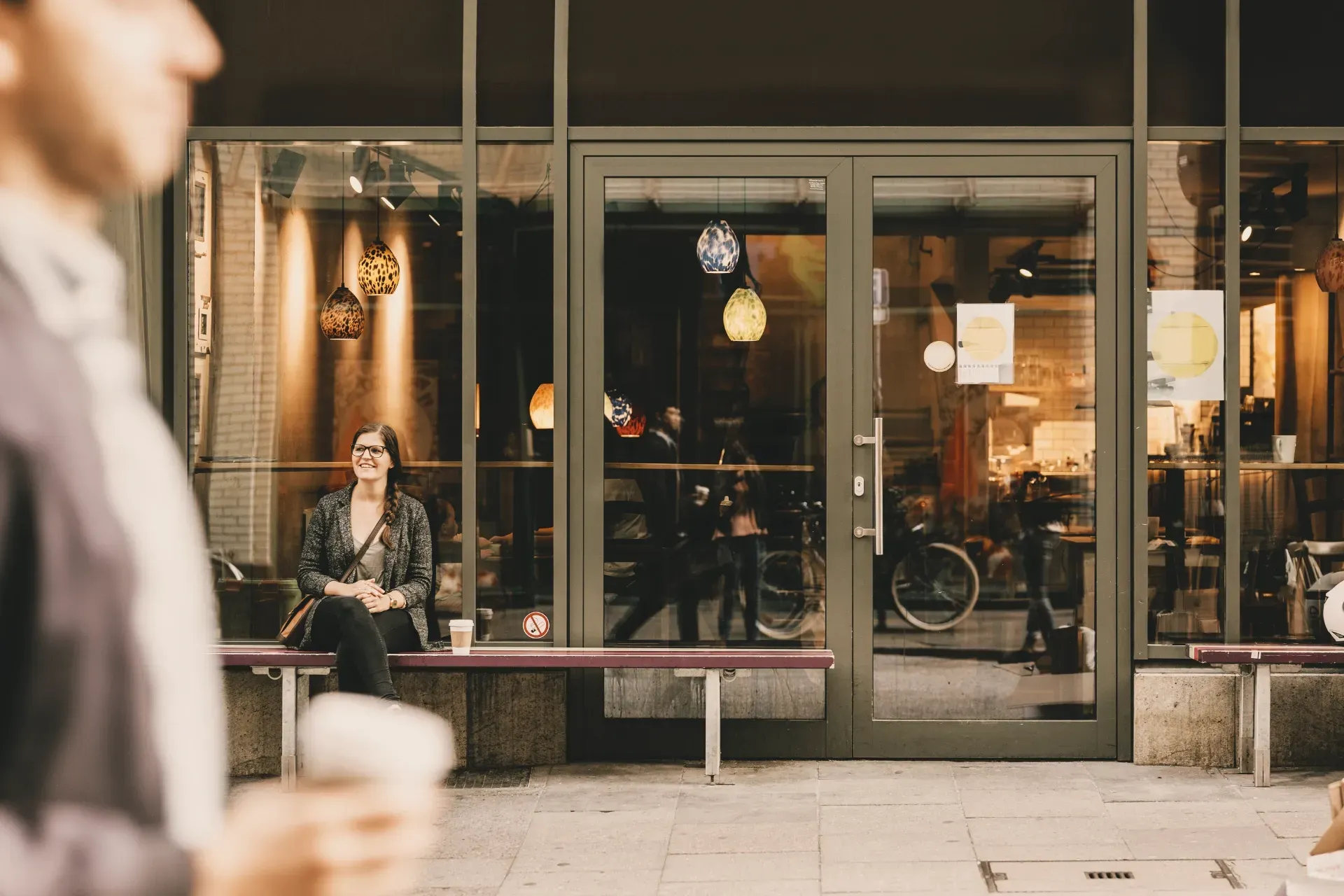
Step into the shoes of a consumer. You’re drinking coffee in a café.
You sit at a small table, looking out the window at the world rushing by, cars passing, the clatter of the metro, a street musician singing in the background. The barista brings you your Tiramisu Cloud Latte, Pumpkin Cream Matcha, Banana Bread Cold Brew, Maple Pecan Shaken Espresso, Brown Sugar Hojicha Latte, Black Sesame Honey Latte, Berry Energy Refresher, or Coffee Fruit Fizz.
You drink! Good!
You go to another café. The barista recommends a Hario V60 brew: Colombian anaerobic, Red Bourbon, a 1:14 ratio, they’ve got an EK, the coffee was roasted to 90 Agtron in a trendy roaster, 0/4 defects, the farmer has 7 hectares, 10,000 trees, he’s a fourth-generation farmer, has a great Instagram, and goes to trade shows. And this coffee scores 86.5 SCA! “Or try this Ethiopian one: floral, jasmine and bergamot, in a Chemex, 1:16.5. I don’t actually know about the defects, but it looks beautiful. It’s a cooperative! 87 SCA!”
You get both. Good! Both are good!
There’s some coffee in your Banana Bread Cold Brew. There’s some in your Tiramisu Cloud Latte, too. You know nothing about it. Or very little. Maybe you can’t even taste it while you’re drinking. And as for how it was roasted or brewed—you know nothing at all. Who grew it? Does that matter?!
Your Hario and Colombian coffee. The farmer on Instagram has a cool car and a swimming pool—of course. What’s the name of that cooperative in Ethiopia? I don’t know. I’ll get another croissant and head to the office.
Let’s investigate. The coffee in our trendy drinks comes from a roastery, in bags labeled “100% Arabica blend.” Where did the beans come from? How much did they pay for them? The café and the roastery make a fortune. Maybe they don’t even know what conditions the coffee was grown in. Pulped Natural from Brazil? Funny name!
The barista knows a lot about the Colombian coffee. The famous farmer takes care of the marketing, and the roastery boasts about working with him. They visited him last year, helped pick coffee, planted a little tree with a sign saying, “Growing for our fancy roastery.” The pickers? They were there. Some children? Great! We slept well, and a nice woman changed the sheets and towels. We’ve already reserved the beans for next year.
Ethiopia? That’s where coffee comes from. Three hundred smallholders picked this coffee! That’s the power of the collective, of working together. Isn’t it beautiful? And so floral.
Enough of this theater. Behind that 86 SCA, the pickers went unpaid for several weeks because the farmer was waiting for a payment to come through. When it did, the bank took its share first, to cover the loan. Then another lender took theirs, for the lease on his fancy SUV. The pool is cold and filthy; the pump has broken down. A friend at the dry mill works from dawn to dusk to keep his business going. The competition never sleeps, and his employees—though they’re from Venezuela and have no papers—want money for food and to send home to their families.
Ethiopia... The bribes along the way cost more than that smallholder earned for the coffee he brought to the collection point. “Casual laborer” might fit better than the proud word “smallholder” on the barista’s lips. What can he make for his family from being “small”? The boss said they should pick ripe berries, and then he’d pay a higher bonus. First the farmer takes his cut, then the officials who helped arrange the transport. And the roastery? It turns out they’re barely making ends meet because cafés—including our barista’s—pay them a month or two late.
Good coffees don’t begin in your mouth. Good coffees begin with the well-being of the people “at the beginning” of the coffee circle: the pickers, the sorters, the people packing bags in roasteries, and the barista who tells you about coffee with a smile and fascination. And the young woman serving you a Coffee Fruit Fizz—whatever that is—because neither of them can afford the rent in the center of that dynamic city, the one with the metro and the street musician.
Support this work
If this text was useful to you, you can support Red Ink Coffee.
Contributions help cover basic infrastructure costs and keep this space independent.
Voluntary. No perks. No obligations.