Coffee Grows Where Wars Are Fought
What is a fair price for green coffee in the face of war?

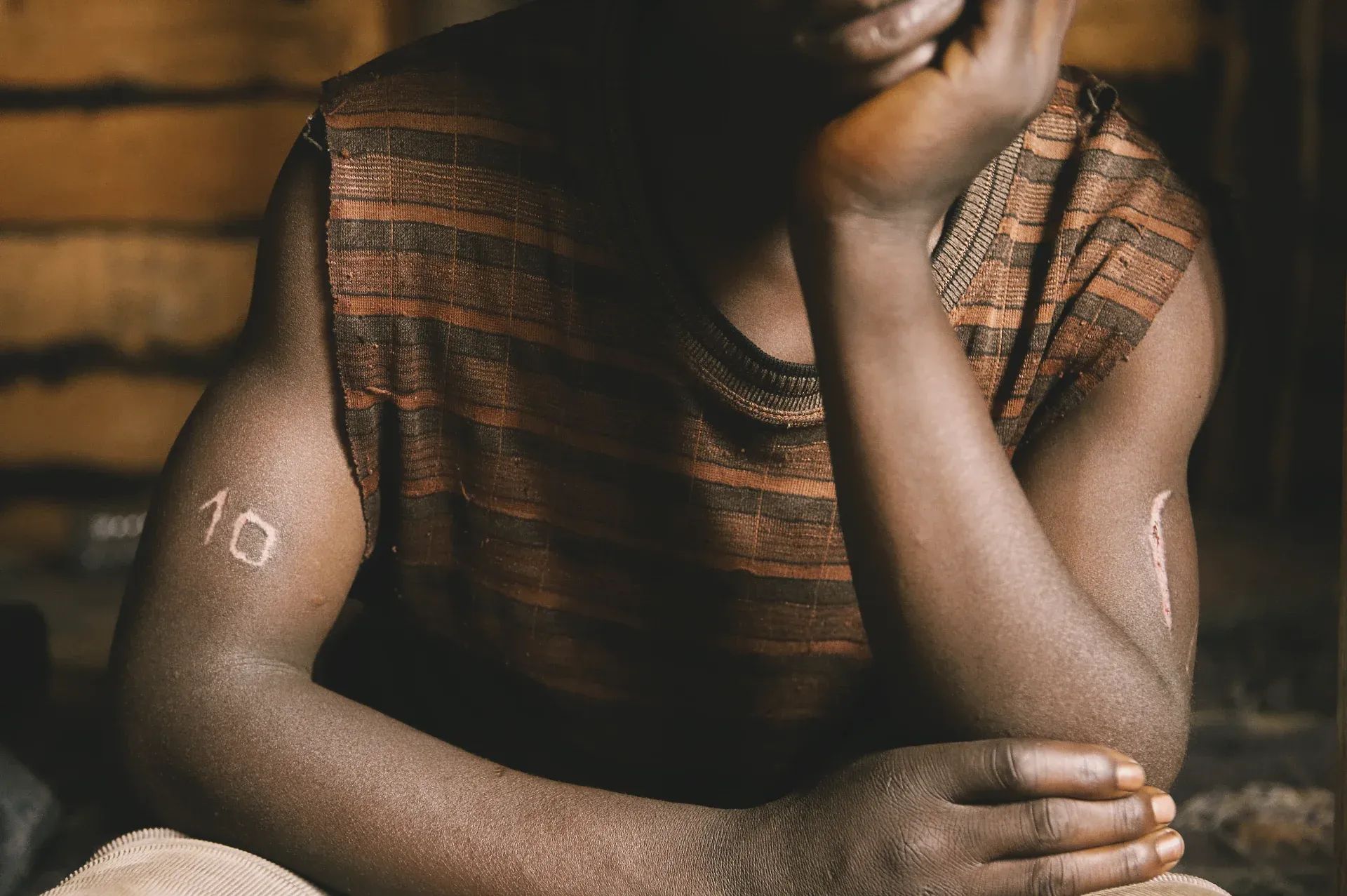
The list of coffee-producing countries where armed conflicts are being fought — ethnic, border, civil — keeps growing.
These wars often don't unfold directly in the main growing regions. But they reach coffee people every time — through economic and social ties, through disrupted trade routes, through inflation and broken contracts, through forced conscription.
Sometimes coffee people become refugees, leaving behind farms their families worked for generations. They go hungry. They fight to survive.
Let's take a closer look.
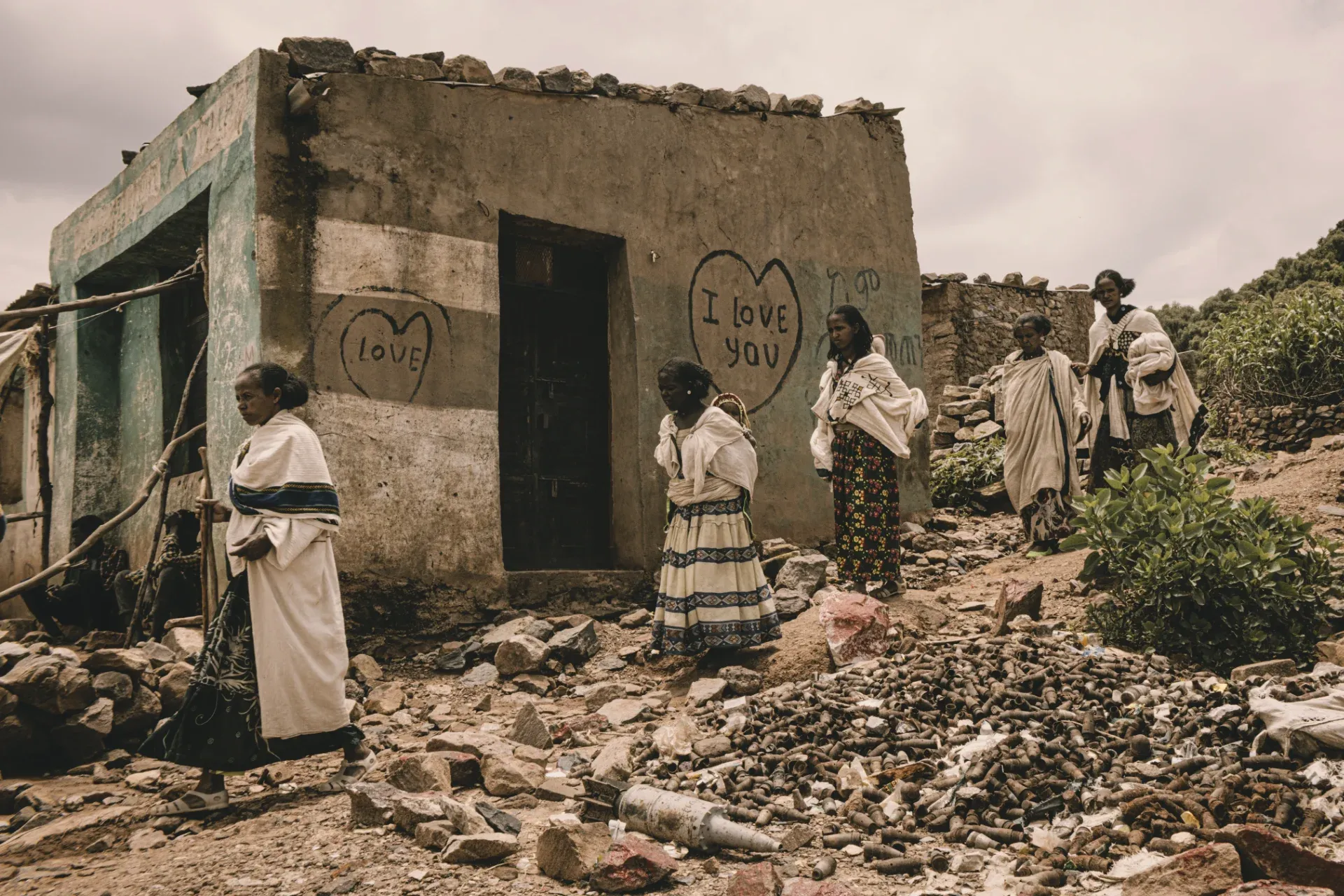
The Tigray War (2020–2022, with recurring violence), fought in northern Ethiopia along the Eritrean border. The conflict between the TPLF (Tigray People's Liberation Front) and the Ethiopian government — backed by Eritrean forces — has claimed up to 600,000 lives. The Ethiopian government relied on coffee export revenues to fund weapons purchases. Every dollar paid for Ethiopian coffee fed the country's foreign currency reserves — and its military spending. Millions of Ethiopians whose livelihoods depend on coffee felt the war through inflation, collapsed credit, and broken supply chains.
Eastern Congo (DRC, formerly Zaire) — one of the most promising coffee regions in Africa. The government has been fighting M23 rebels — drawn largely from the ethnic Tutsi minority — backed by Rwanda. The roots go back to the Rwandan genocide, when hundreds of thousands of Hutu fled into Congo, and Rwanda and Uganda intervened militarily in their neighbor. The layers are complex: ethnic grievances, competition over minerals essential to the electronics industry, territorial control. Since 1996, by some estimates, one of the deadliest conflicts since World War II — over six million lives lost. Farmers grow coffee to the sound of gunfire. Cooperatives collapse overnight. Exports are regularly cut off by armed groups controlling the roads.
Myanmar (formerly Burma) — in 2021, a military coup plunged the country into civil war. The growing specialty coffee sector, particularly in the Shan region, came to an abrupt halt. Farmers fled. Roasters shut down. Exports became a logistical nightmare — volumes dropped sharply, though the full scale remains hard to verify.
Mexico is a different kind of war. The structural violence of cartels. Chiapas and Oaxaca — the country's main coffee regions — are also territories where drug cartels tax farmers, control land, and extort "protection." It isn't a conventional war, but the consequences for coffee people are identical. In February 2026, Mexican security forces killed El Mencho — the leader of the CJNG, Mexico's most powerful criminal organization. Within hours, violence spread across 16 states, including Oaxaca and Chiapas. The cartel already has a new leader.
Colombia has lived with conflict for over 60 years. The FARC — Fuerzas Armadas Revolucionarias de Colombia — and other armed groups have financed themselves for decades through cocaine trafficking, kidnapping, and extortion of farmers, including coffee farmers. A peace deal was signed in 2016, but it has been repeatedly violated. For coffee people, the cost has been immeasurable — farmers killed or maimed by landmines working their own fields, money lost, lives spent in fear.
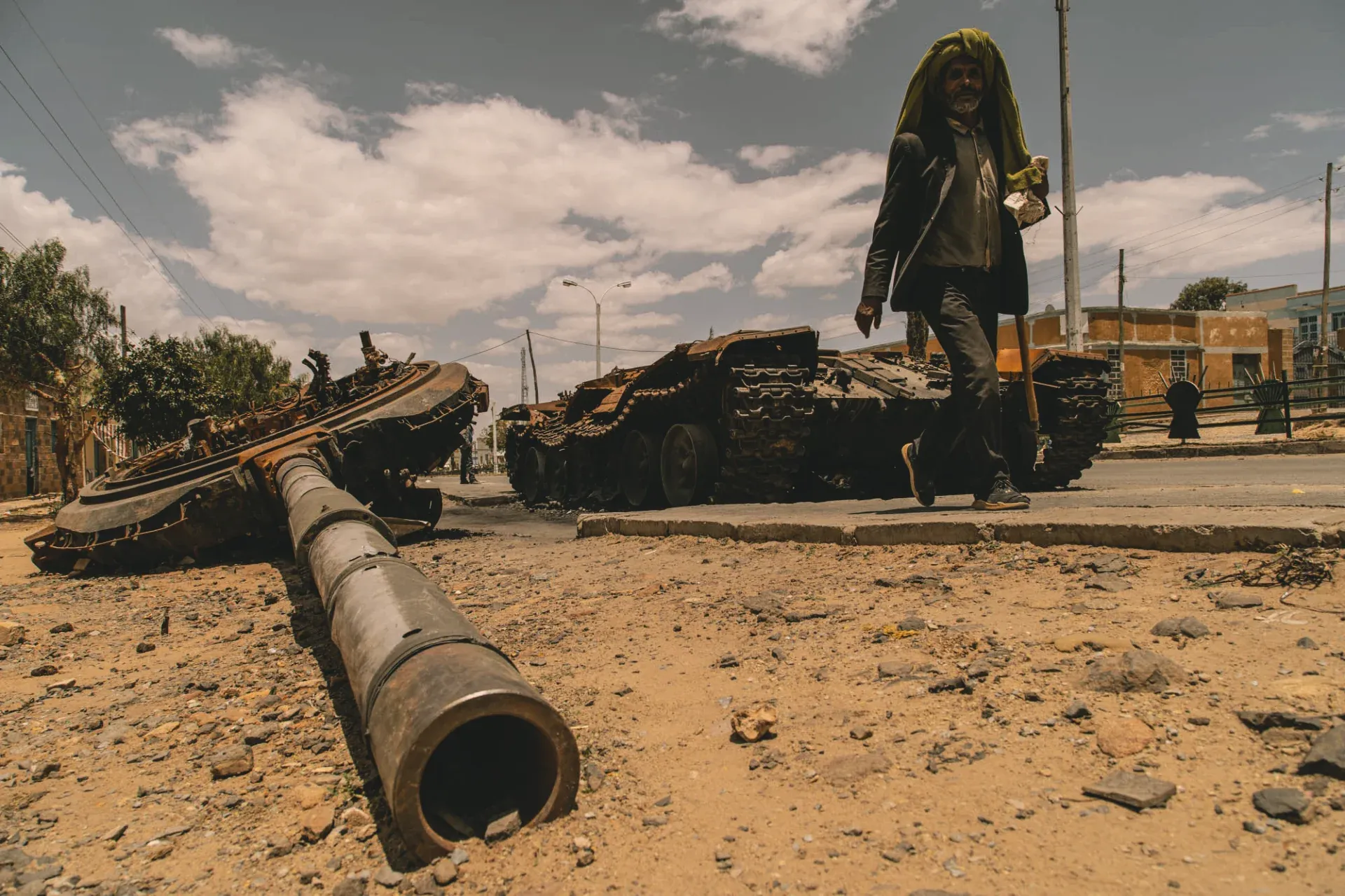
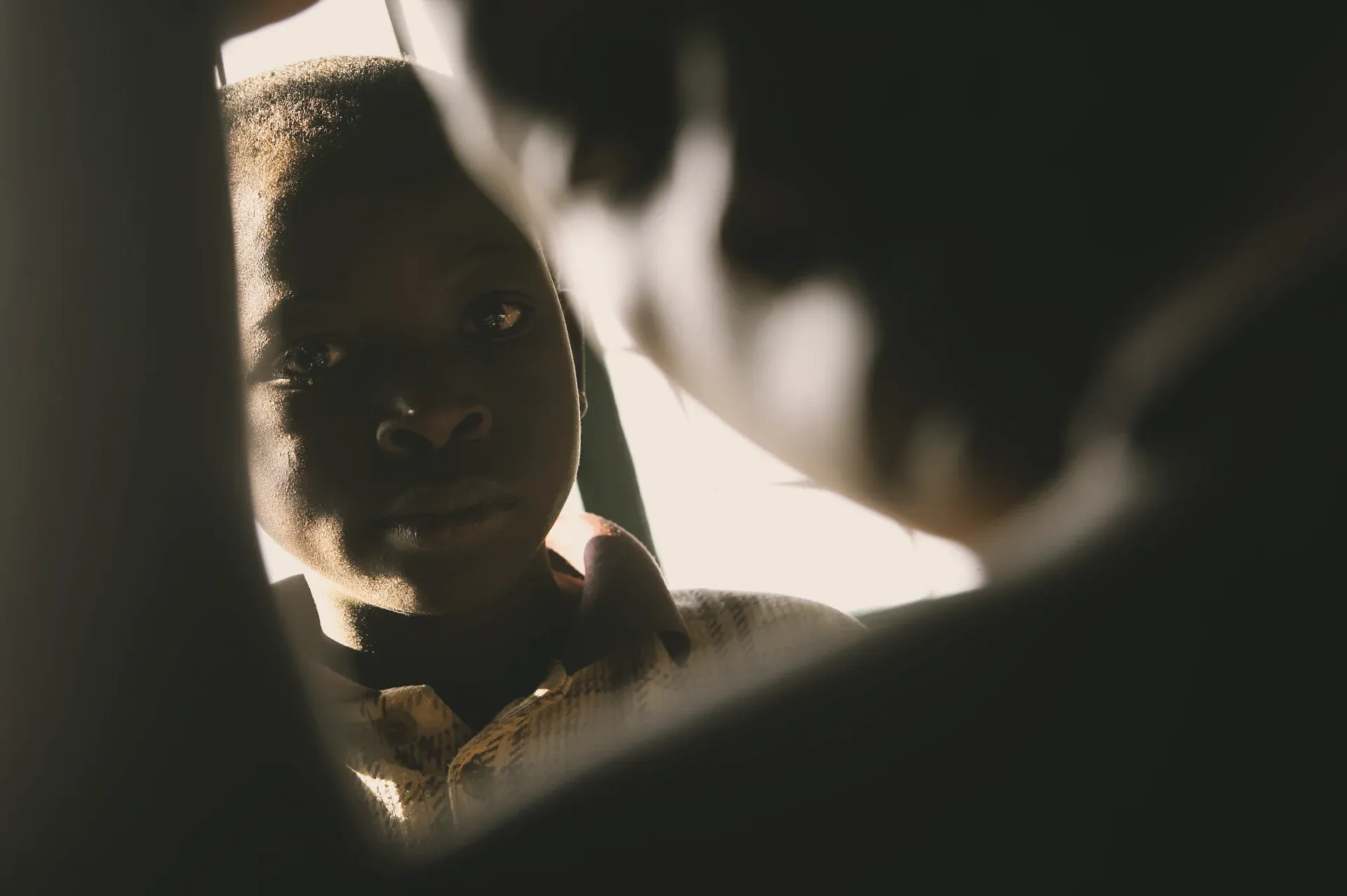
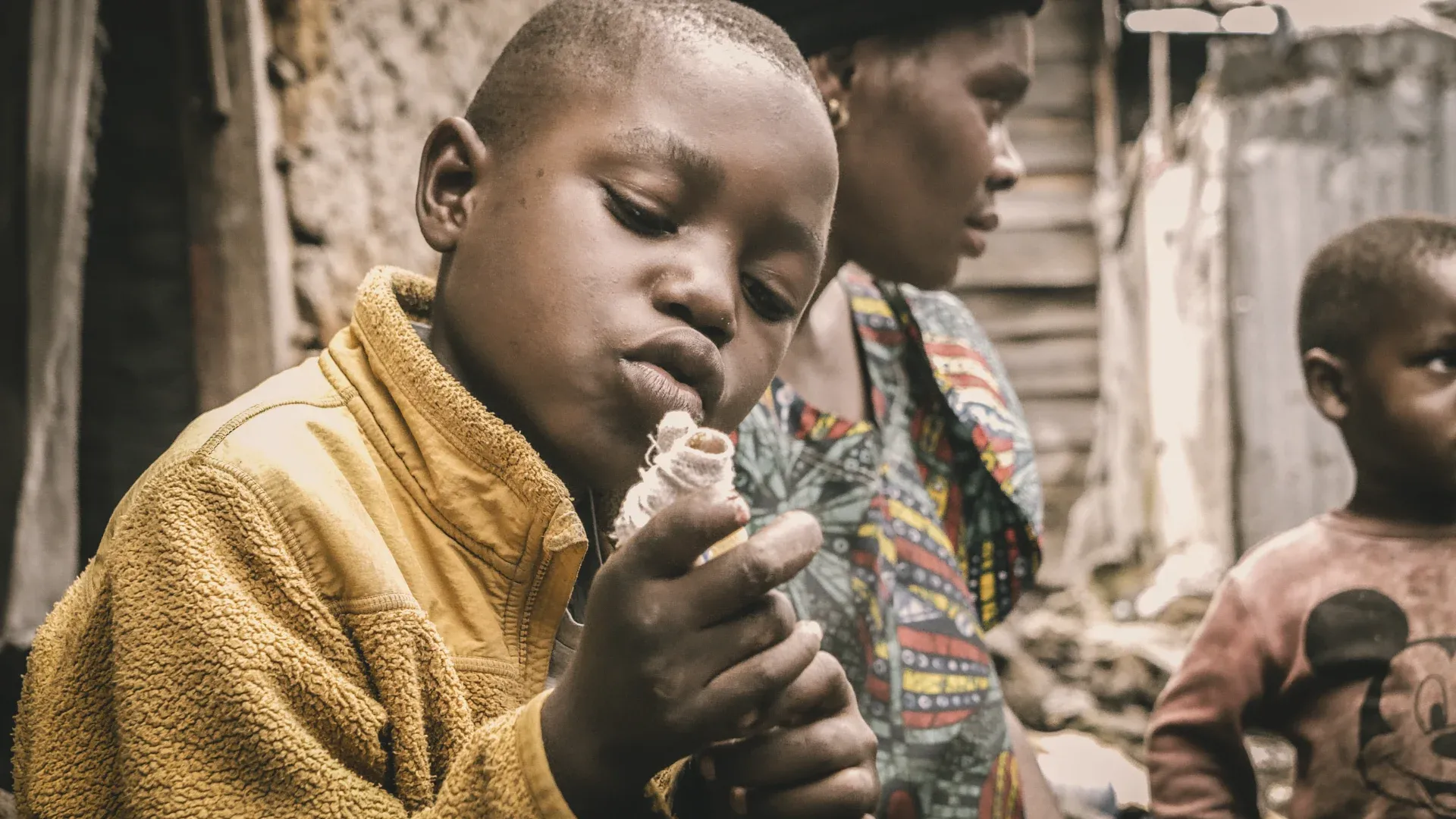
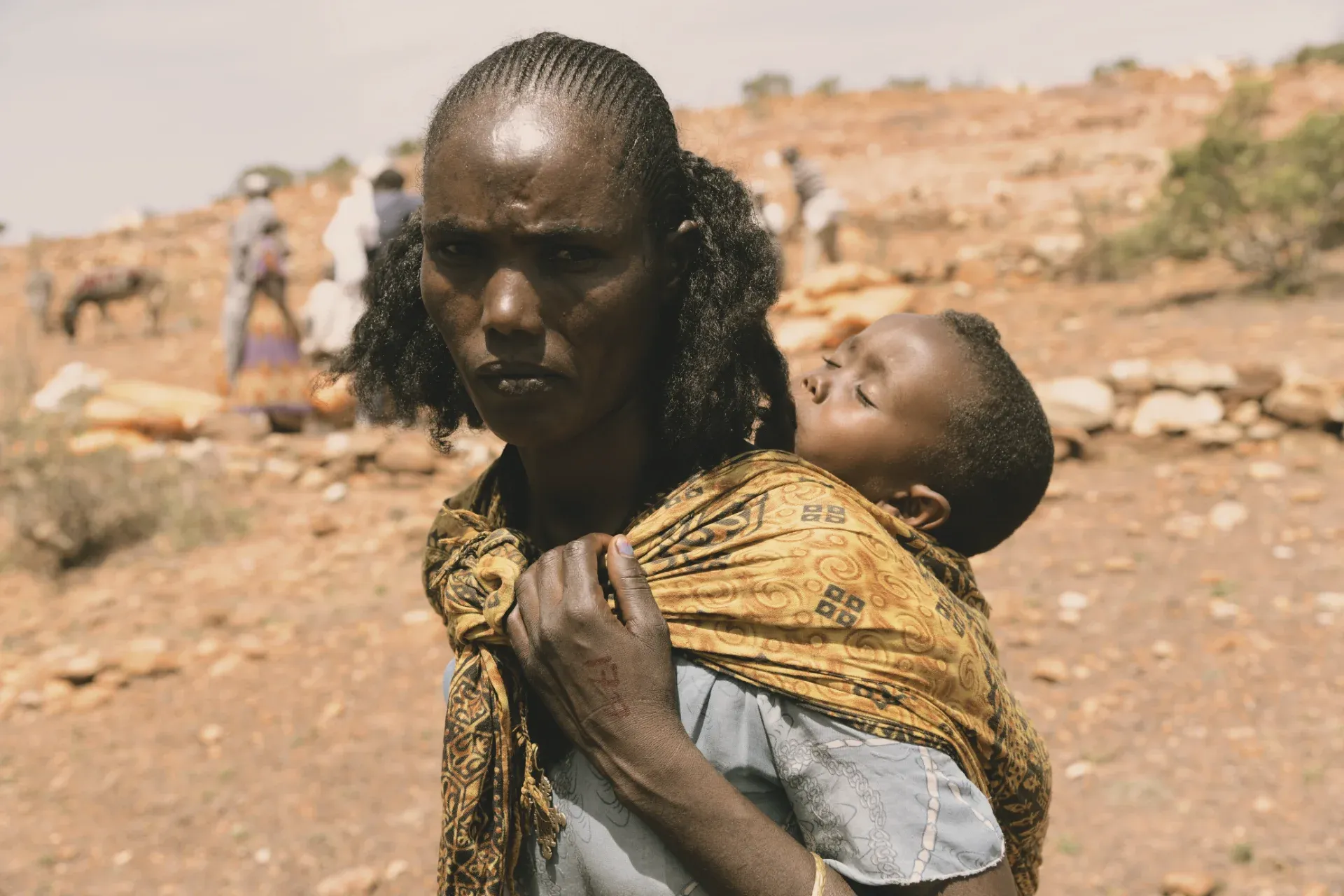
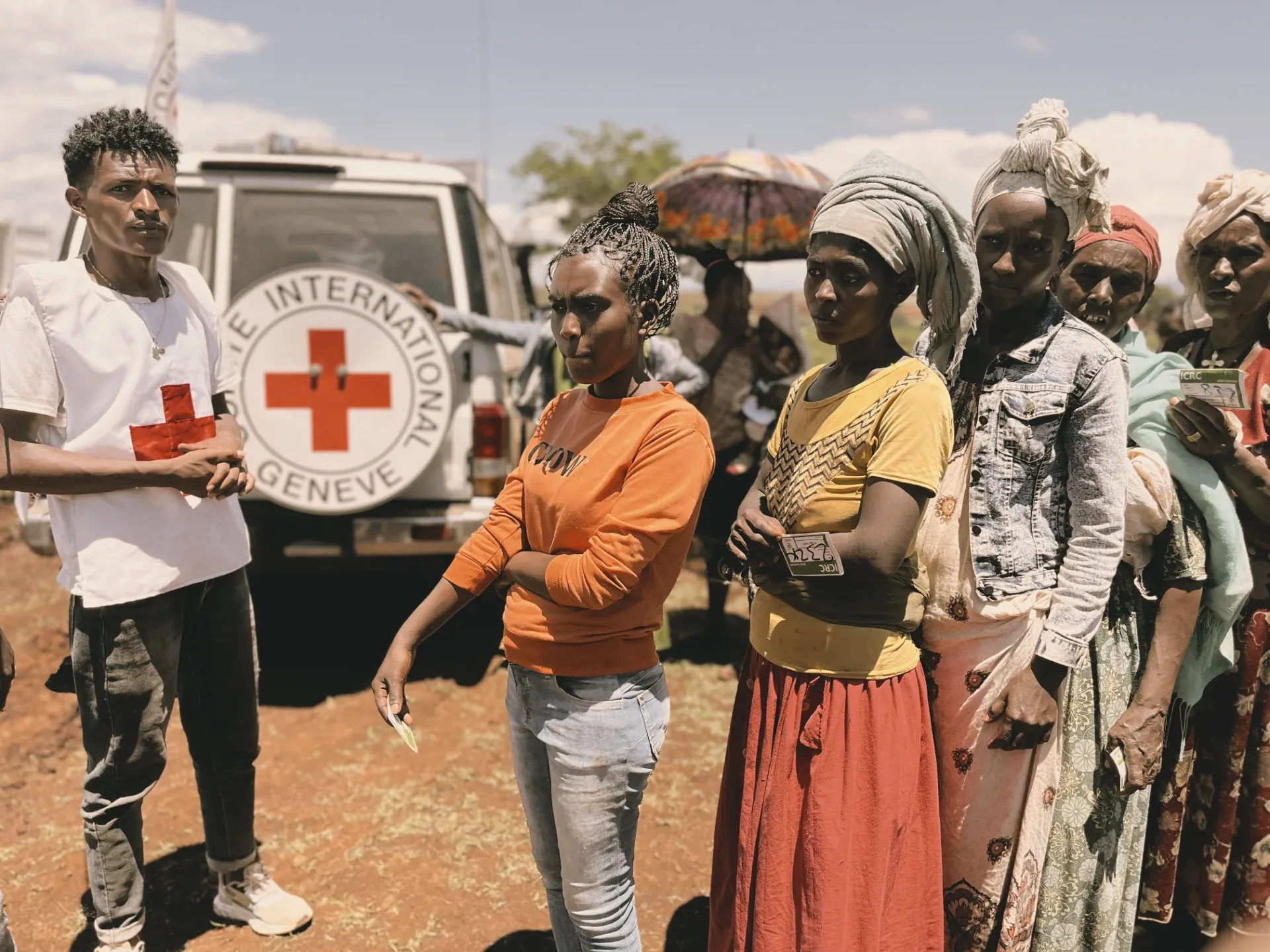
War photography is gatekept behind agency paywalls. Humanitarian organizations document what the market won't sell cheaply. Ethiopia, Congo — Photo credits: Yan Boechat / VOA, Wojtek Lembryk, Jonathan Busasi Nsalimbi, Trésor Boyongo Kaya, Eric Samson Chege, Jude Fuhnwi / ICRC
Yemen has a 500-year history of coffee cultivation. Since 2015, it has been a country slowly starved by a blockade. A Saudi-led coalition imposed a sea, air, and land blockade in response to the Houthi takeover backed by Iran. The United States supplied intelligence and weapons to the coalition. The United Kingdom sold aircraft and bombs. The blockade cut off a country that imports more than 90% of its basic needs — food, medicine, fuel. Coffee producers are living through a humanitarian catastrophe. Yemeni coffee is disappearing from the market not because demand is gone — but because the people who grow it are fighting to stay alive.
Mindanao is the Philippines' main coffee-growing region — and a permanent conflict zone. Decades of fighting between the government, Islamist groups, and communist insurgencies mean that coffee farmers work in conditions of chronic instability — with no ability to plan long-term, invest, or build lasting trade relationships.
Sudan and South Sudan both produce coffee and serve as transit routes for Ethiopian exports. Darfur since 2003. Civil war in South Sudan from 2013 to 2020. A renewed escalation in Sudan since 2023. Conflicts disrupt trade routes, destroy infrastructure, and force farmers off their land.
But there is another dimension the coffee industry almost never talks about. The Boma Plateau in South Sudan is one of the confirmed centers of origin for Coffea arabica — a place where wild arabica populations have preserved a unique genetic diversity essential to the future of the species. The last research expedition reached the area in 2012. Since the civil war broke out in 2013, no one has been able to return. The current state of those wild populations remains undocumented. We may be losing something we never had the chance to fully understand.
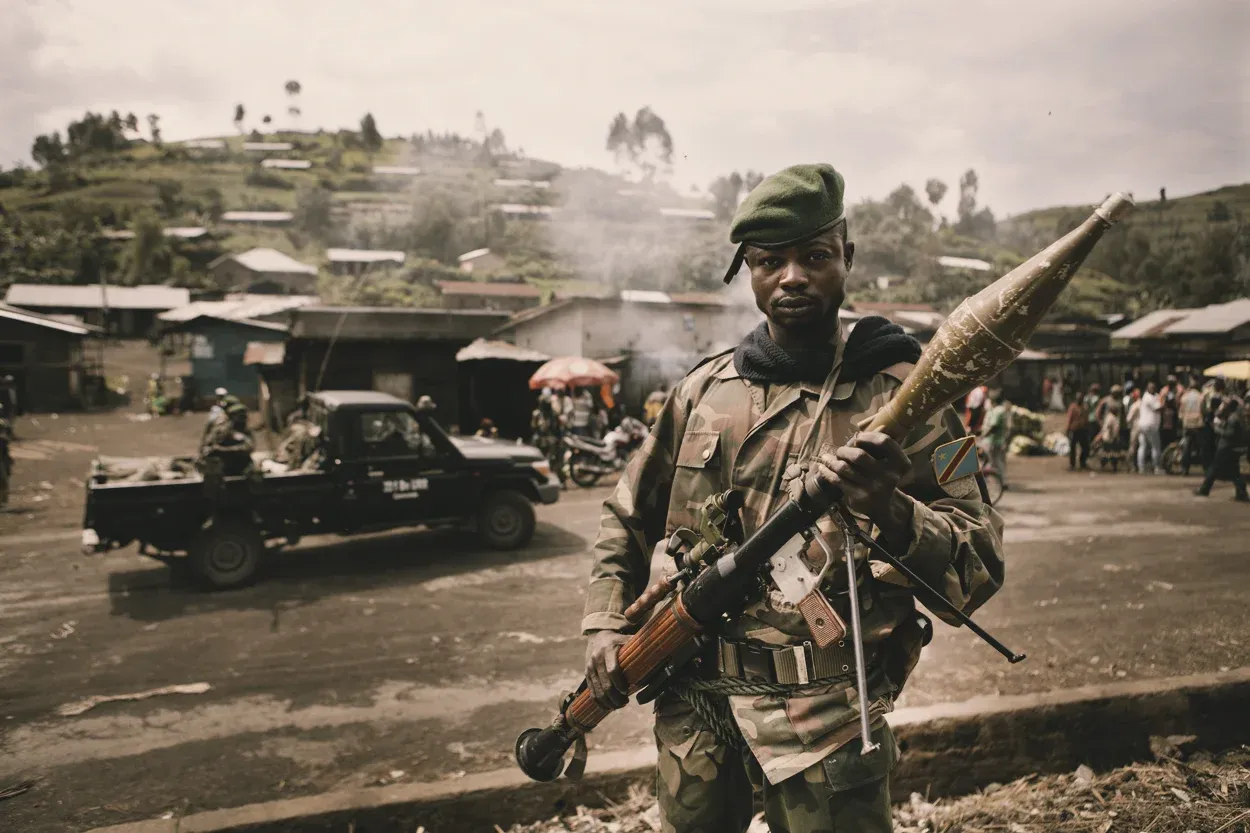
The Anglophone regions of Cameroon — the Northwest and Southwest provinces — have historically been important arabica-growing areas. Since 2017, armed conflict between government forces and separatists has torn through the region. Coffee production there has been effectively destroyed.
These are not all the examples. They are only some of the ones that have made headlines in recent years. Rwanda: the 1994 genocide killed over 800,000 people in a hundred days. Coffee was the country's primary source of foreign currency — and it collapsed along with everything else. Rebuilding took decades. Rwanda's specialty coffee today is the product of a generation that grew up in the shadow of mass graves. Laos: the country is still clearing the wreckage of the Vietnam War — literally, in the form of unexploded ordnance scattered across farmland. Nicaragua, El Salvador, Guatemala, Honduras — Central America spent decades as a battlefield of civil wars, coups, and foreign interventions.
Venezuela has been living through a political and economic crisis that has gutted its coffee sector. The country was once a significant exporter; today it can barely meet its own needs. In January 2026, US forces carried out a military operation in Caracas, captured President Nicolás Maduro, and transported him to New York to stand trial. The country has a nominal acting president. In practice, no one knows who is really in charge. For coffee producers, it is one more layer of uncertainty on already unstable ground.
Cuba has been growing coffee since the eighteenth century. Today the country is on the edge of state collapse. Chronic blackouts. Fuel shortages. Crumbling infrastructure. In the early months of 2026, much of the island went without electricity for days at a time. Coffee production has been declining for decades. Cubans drink coffee cut with chicory — because the real thing simply isn't available.
The Central African Republic, Mozambique, Aceh, Uganda — more names on the same list. The list is long. And it keeps growing.
The end of a conflict is not the end of the problem. The long-term economic and social damage plays out for years — but the coffee industry tends to forget about one particular danger.
Landmines.
According to data from the Polus Center for Social and Economic Development — a nonprofit dedicated to supporting conflict survivors — 10 of the world's 14 largest coffee-producing countries are contaminated by landmines and other explosive remnants of war. Colombia, considered one of the most heavily mined countries in the world, is also the third-largest coffee producer. Laos, saturated with cluster munition remnants from the Vietnam War, grows coffee on the same land that still hides unexploded ordnance.
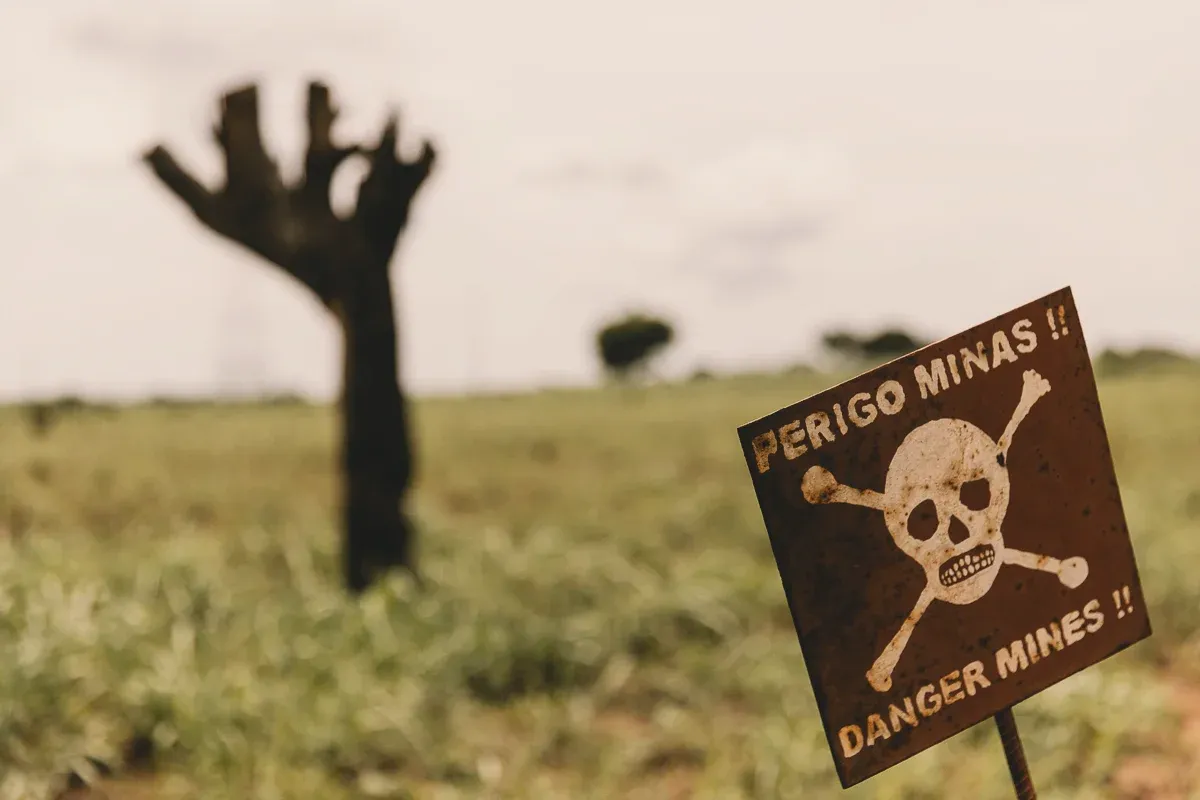
Mines can lie dormant for decades — until a person or an animal triggers them. In 2012, an average of 10 casualties per day were recorded worldwide. Seventy-eight percent were civilians. Forty-seven percent of them were children.
For a coffee farmer, a landmine is not just a threat to life. It is the end of being able to work the land. It is paths to the plantation that cannot be used. It is harvesting fruit from trees you can only reach with a prayer. It is roads to the buying station blocked or mined. When a farmer loses a hand or a leg — the coffee industry loses a person. And rarely talks about it.
Wars and conflicts are not only a problem for producing countries. They are also the reality of consuming countries — those directly involved militarily, or affected through neighboring and allied nations — felt through markets, inflation, defense spending, and refugee crises.
Ukraine, before the war, was building one of the fastest-growing specialty coffee scenes in Europe. On February 24, 2022, missiles hit roasteries and cafés closed. Baristas and roasters — mostly women, because Ukrainian law prohibited men of military age from leaving the country — packed what they could and headed west. To Lviv, to Poland, to the Czech Republic, to anyone who had room. Or they sheltered in basements under cafés in the center of Kyiv and Dnipro.
The import logistics collapsed along with Odesa. The port — the primary entry point for green coffee into Ukraine — came under attack in the first days of the invasion. One importer had 20 containers of green coffee en route to Odesa at the time. The containers vanished for months and turned up in Abu Dhabi. Land routes through Poland and Romania became the only alternative — slower, more expensive, unreliable. Shipping roasted coffee from Dnipro to Lviv required the planning of a military operation. Drones hit warehouses. Two tons of coffee from one roastery burned in a strike on a logistics depot.
And then something unexpected happened. Ukraine's coffee scene didn't collapse — it organized. Lviv became the evacuation hub for the industry. The world's largest roasting co-working space was established there — businesses from frontline cities could relocate their equipment for free. The "Roasted in Ukraine" project united dozens of roasters under a single export brand. In the first weeks of the invasion, Kyiv cafés turned into volunteer kitchens — feeding up to 15,000 people a day. Between 2022 and 2024, the number of coffee shops in Ukraine grew by 35%. In 2024, a Ukrainian competitor reached the semifinals of the World Barista Championship for the first time. Coffee there is more than a drink — it is a form of resistance, continuity, and collective care.
The consequences of Russia's war have been felt across Europe. In Poland, we took in a million Ukrainian refugees — most of them into our own homes. For coffee people, that shelter sometimes came with loss. Colleagues of mine lost their café in Kyiv. Stories like that are everywhere here.
There are many of them. Consider how many conflicts have been fought — or are still being fought — this century. They have left their mark on what the coffee market looks like today. Wars waged by the United States, the United Kingdom, and their coalitions — in Afghanistan, Iraq, military operations in Somalia, Syria, Pakistan. French armed operations in Mali, Niger, Chad, the Central African Republic. As these words are being written, conflicts across the Middle East are causing suffering for entire peoples — including Palestinians in Gaza under Israeli attack in the war with Hamas. Infrastructure is burning in Iran, Lebanon, Syria. Drones and rockets are reaching even Dubai and Riyadh.
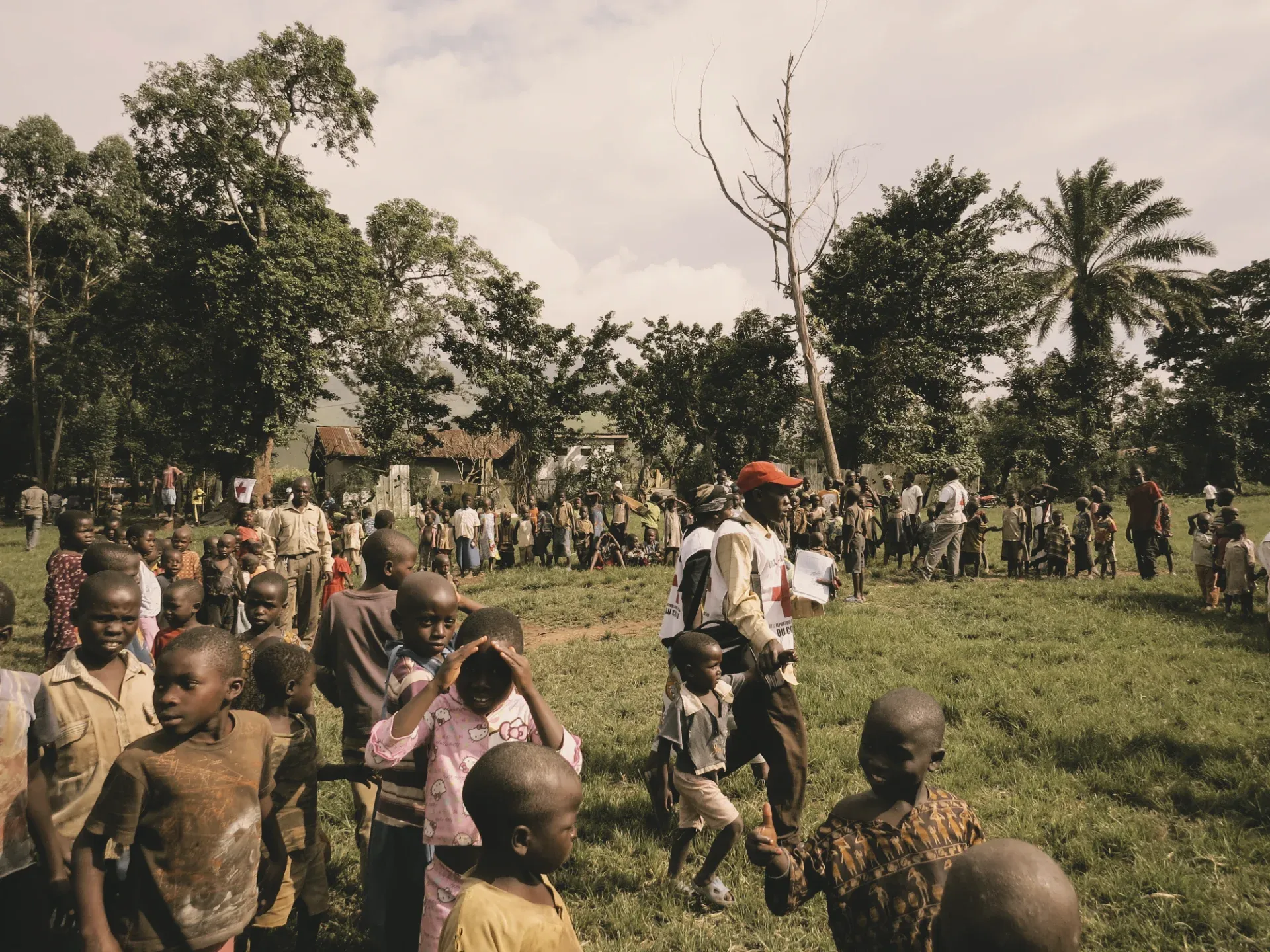
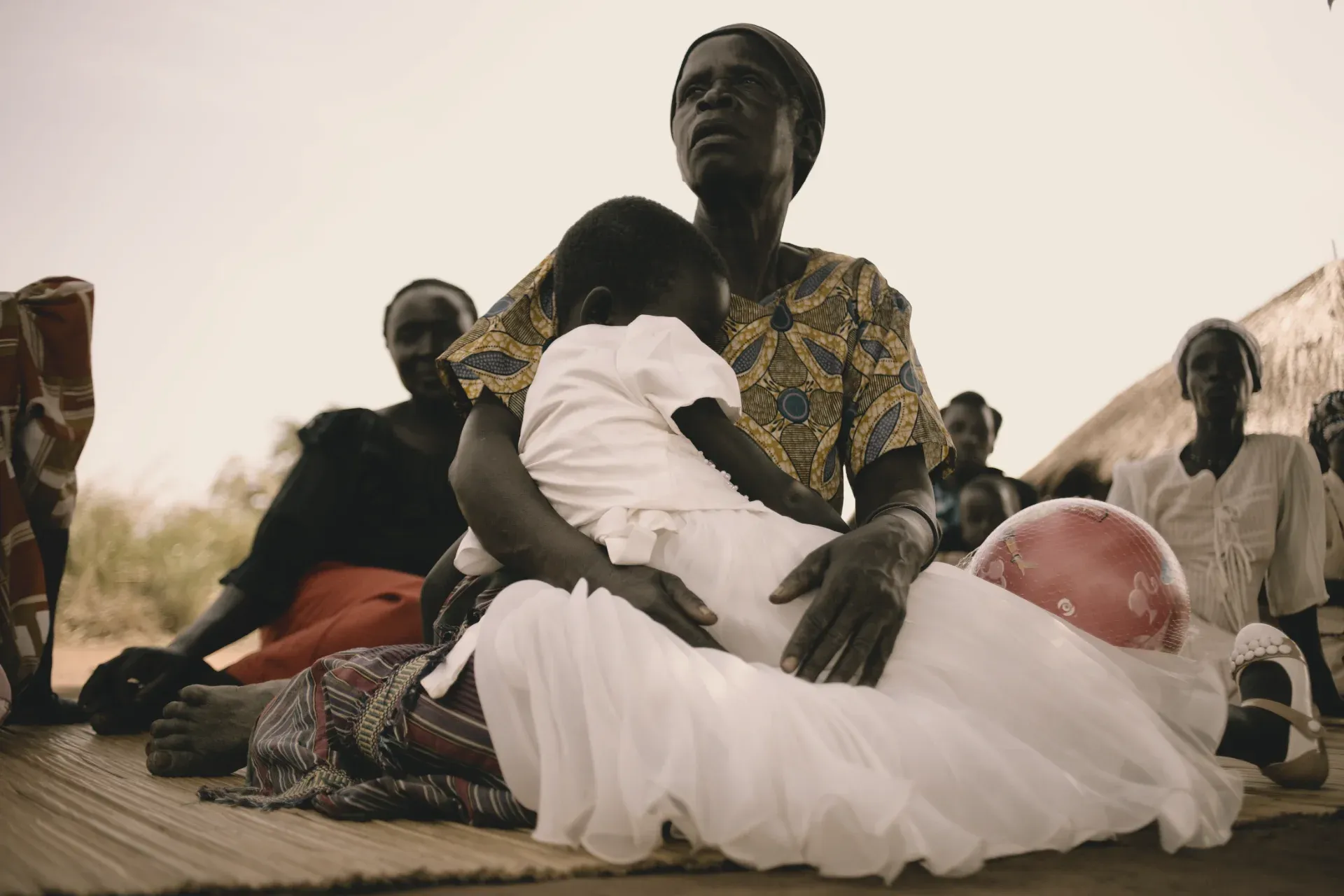
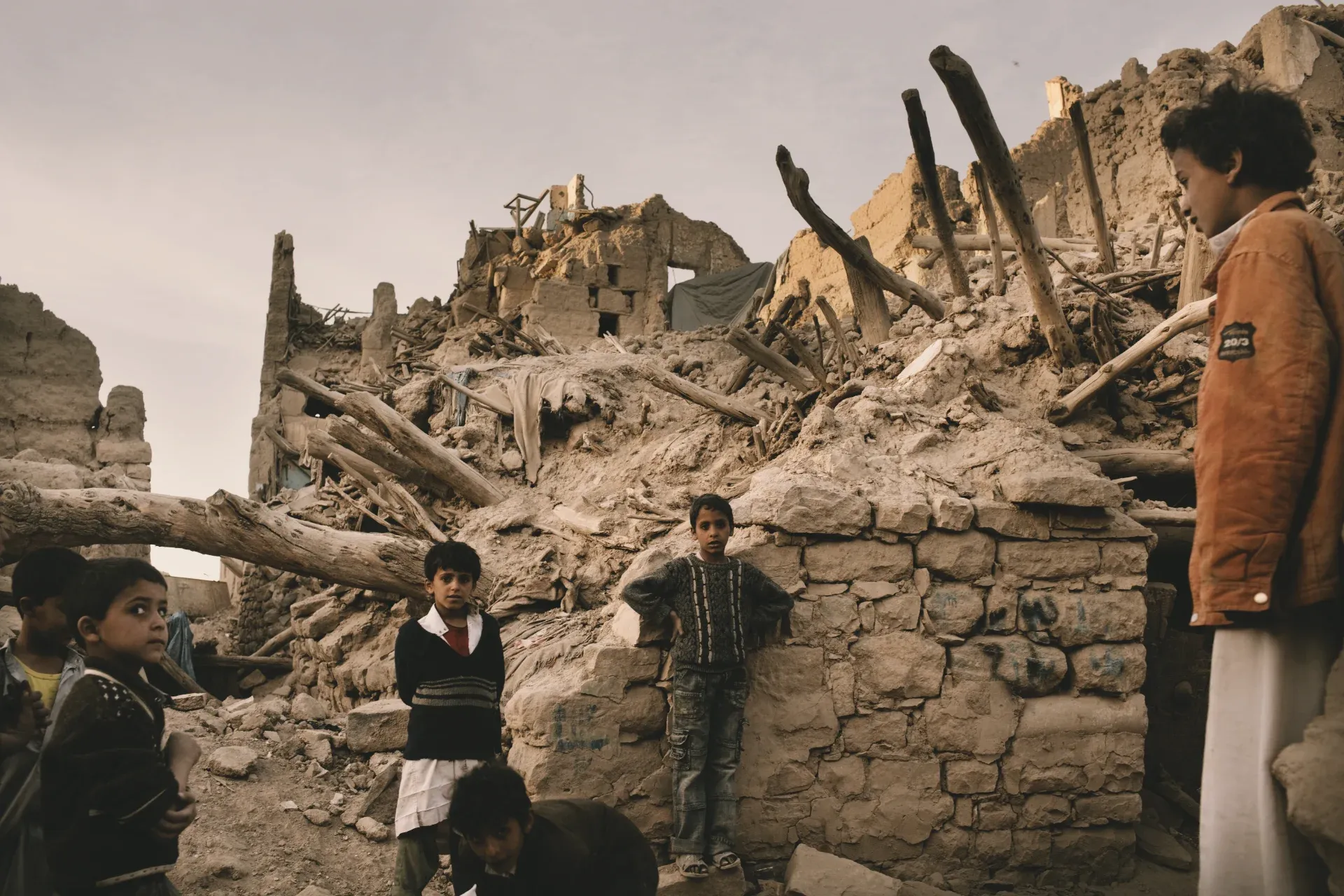
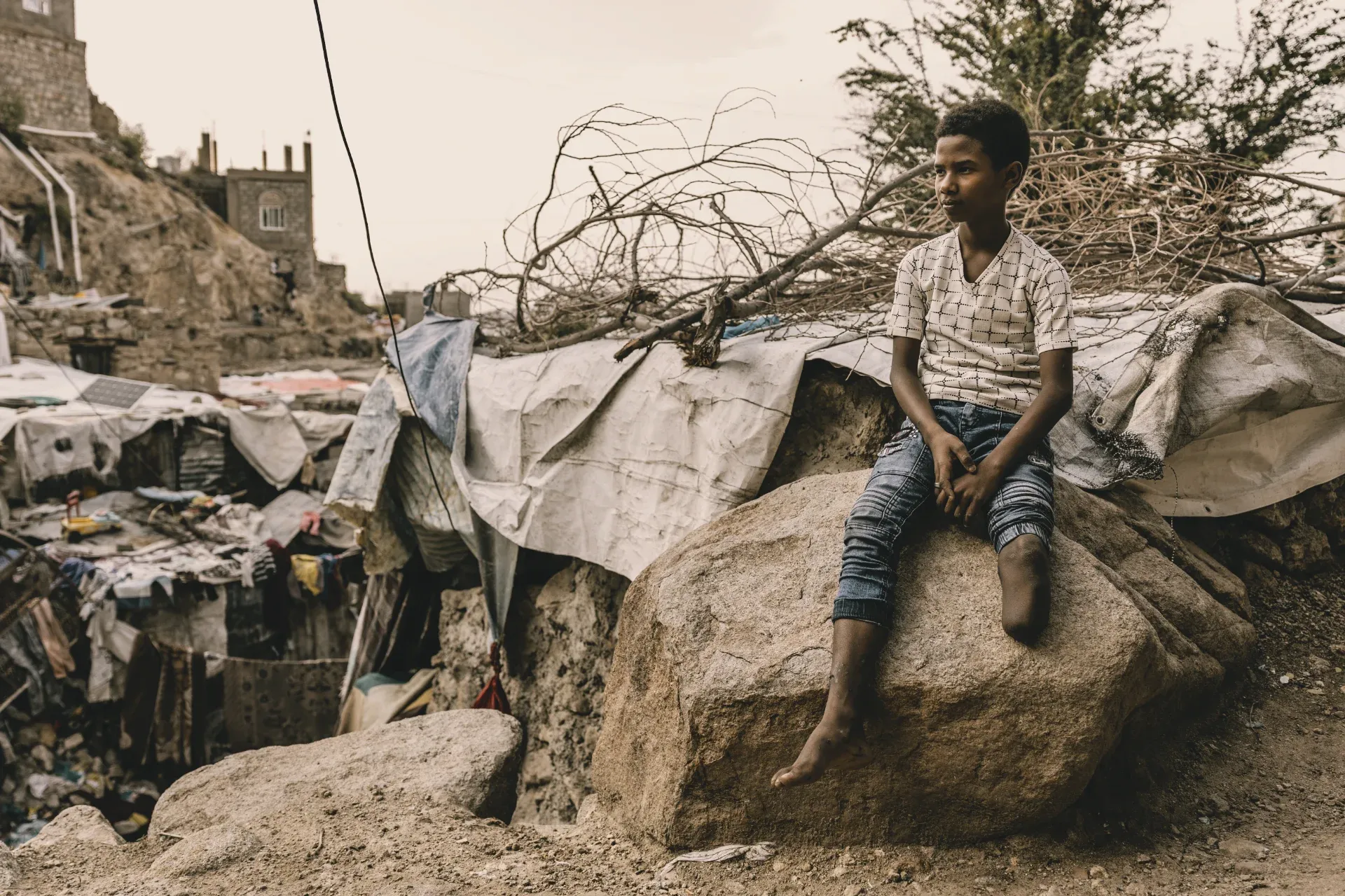
War does not end when the guns fall silent. Congo, Uganda, Yemen — lives interrupted, rebuilt, still waiting. Photo credits: Elodie Schindler, s.n., Catalina Martin-Chico, Taha Saleh / ICRC
What do we do with this?
We call for peace. We know, however, that our calls are silent to those in power — we've written about this before. Power rarely listens to the people who grow coffee.
So we also call for awareness.
When you buy green coffee — don't ask only about the sensory profile and the price. Ask about the context. Does the producer live in a stable country? Have they been touched by armed conflict, wartime inflation, broken supply chains? Does the price you're paying account for costs that rise not because of a bad harvest, but because of missiles and blockades?
A fair price for green coffee in wartime is not the same as a fair price in peacetime.
The coffee industry rarely asks these questions. We ask them of every producer we work with. It is the minimum of responsibility we owe to coffee people who live in the places we read about in headlines — and forget about with the next cup.
Support this work
If this text was useful to you, you can support Red Ink Coffee.
Contributions help cover basic infrastructure costs and keep this space independent.
Voluntary. No perks. No obligations.