Coffea stenophylla: Meet Coffee's Climate Challenger
Coffea stenophylla tolerates higher temperatures than Arabica — and tastes remarkably similar. Could it be our answer to climate change?

Rising temperatures, extreme weather events, and the spread of pests and diseases are putting the long-term future of Arabica and Canephora at risk. Their extinction is not science fiction. We need a Plan B — and we're looking for it among other Coffea species.
There are around 130 of them, with botanists still discovering new ones. The ones drawing the most attention are those showing greater resilience to climate conditions harder than anything we face today — while still being something people would actually want to drink.
Researchers are currently studying C. racemosa, C. dewevrei (Excelsa), C. eugenioides, C. congensis, C. liberica, C. namarokensis, C. brevipes, C. ambongensis, C. zanguebariae, and C. stenophylla. Each is interesting in its own right — but this piece is about the last one on that list.
Coffea stenophylla is a rare species, "rediscovered" only a few years ago. It may turn out to be one of coffee's best shots at survival — yet its wild populations are themselves under threat from deforestation and agricultural expansion.
Why Does This Matter?
Arabica (Coffea arabica) is a naturally occurring hybrid of C. canephora and C. eugenioides. Every single Arabica tree in existence traces back to one hybridization event — which means the entire species rests on a dangerously narrow genetic base. On top of that, Arabica tends toward self-pollination, which further limits genetic variation. Then humans made it worse: decades of selective breeding have pushed the vast majority of cultivated varieties into just two lineages — Typica and Bourbon. Market forces deepen the problem still, rewarding specific varieties and sensory profiles at the expense of diversity.
The result: Arabica is highly vulnerable to pests, disease, and climate stress.
Read more in the free The Better Coffee Standard.
Without a broad, collective commitment to slowing climate change, the coffee we know could become severely limited — a luxury good, or worse. And faster than most people expect. Scientists aren't waiting around to find out.
Coffea stenophylla: A Botanist's View
C. stenophylla differs significantly from Arabica — both genetically (it's not a hybrid) and morphologically. Most importantly, it thrives in conditions that are fundamentally different from what Arabica needs. That difference is the foundation of its potential.
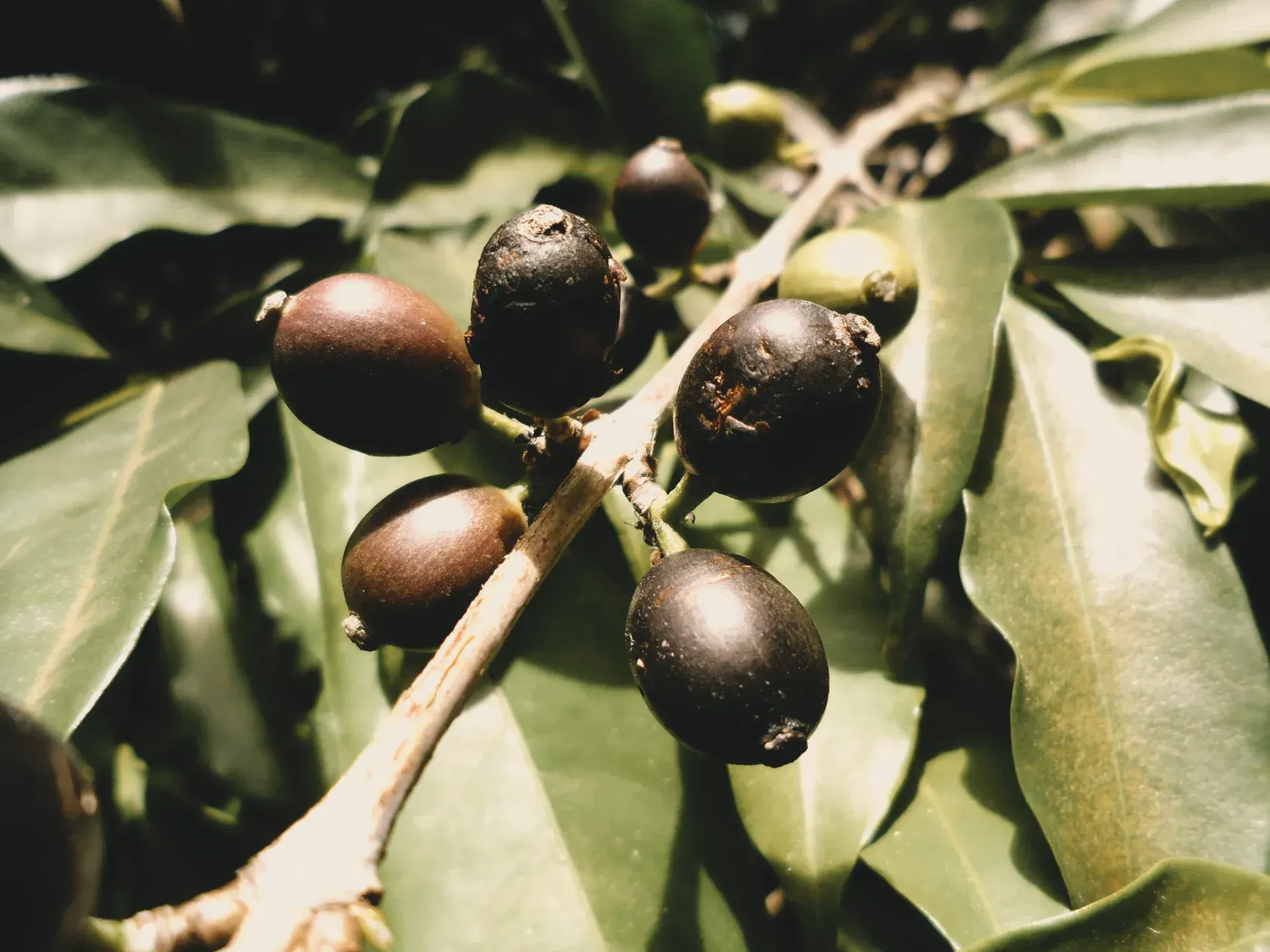
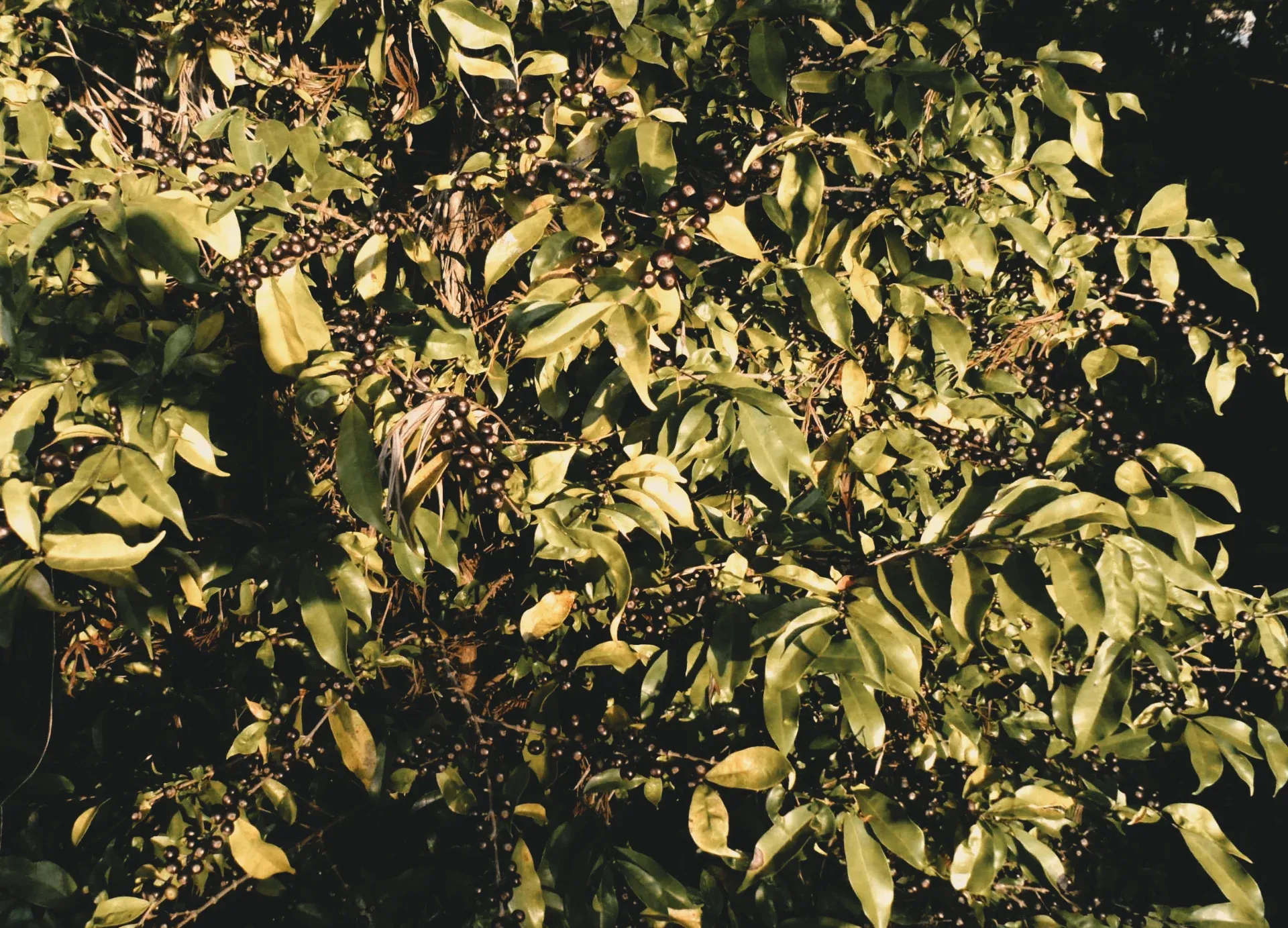
Unlike Arabica's red or yellow fruit, stenophylla produces black fruit that looks a lot like blackcurrants. Its green beans, however, are similar in size and color to Arabica's.
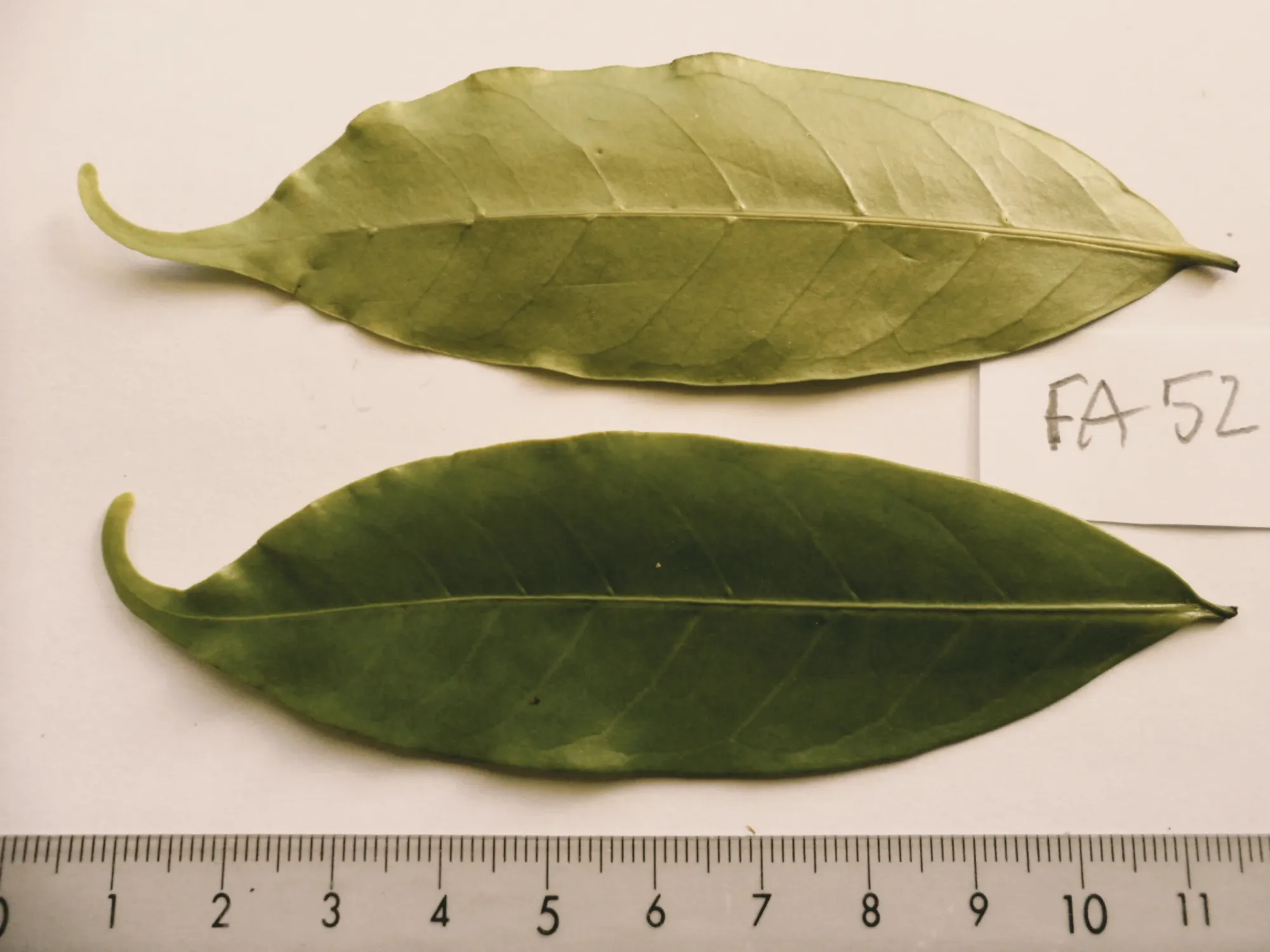
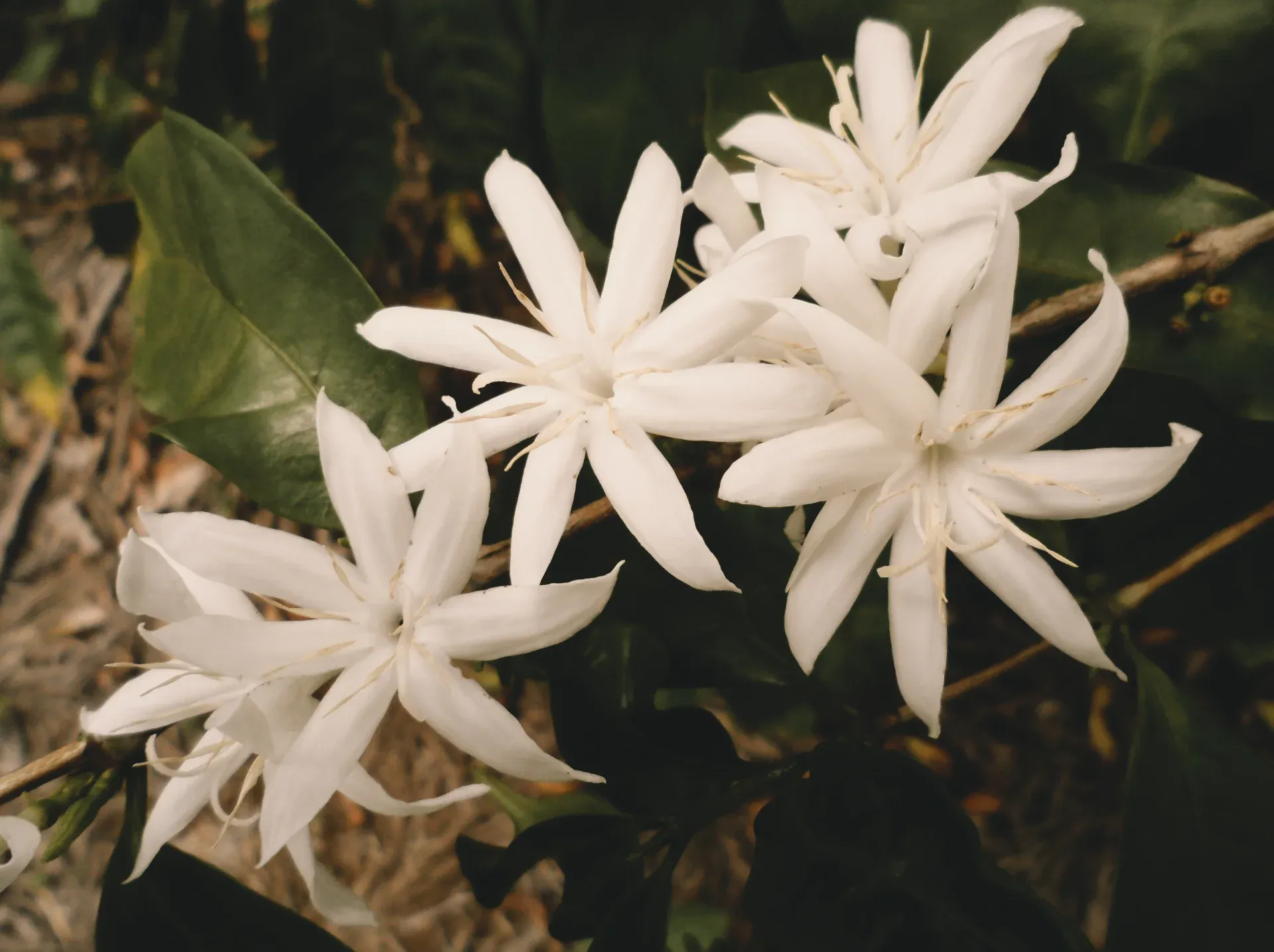
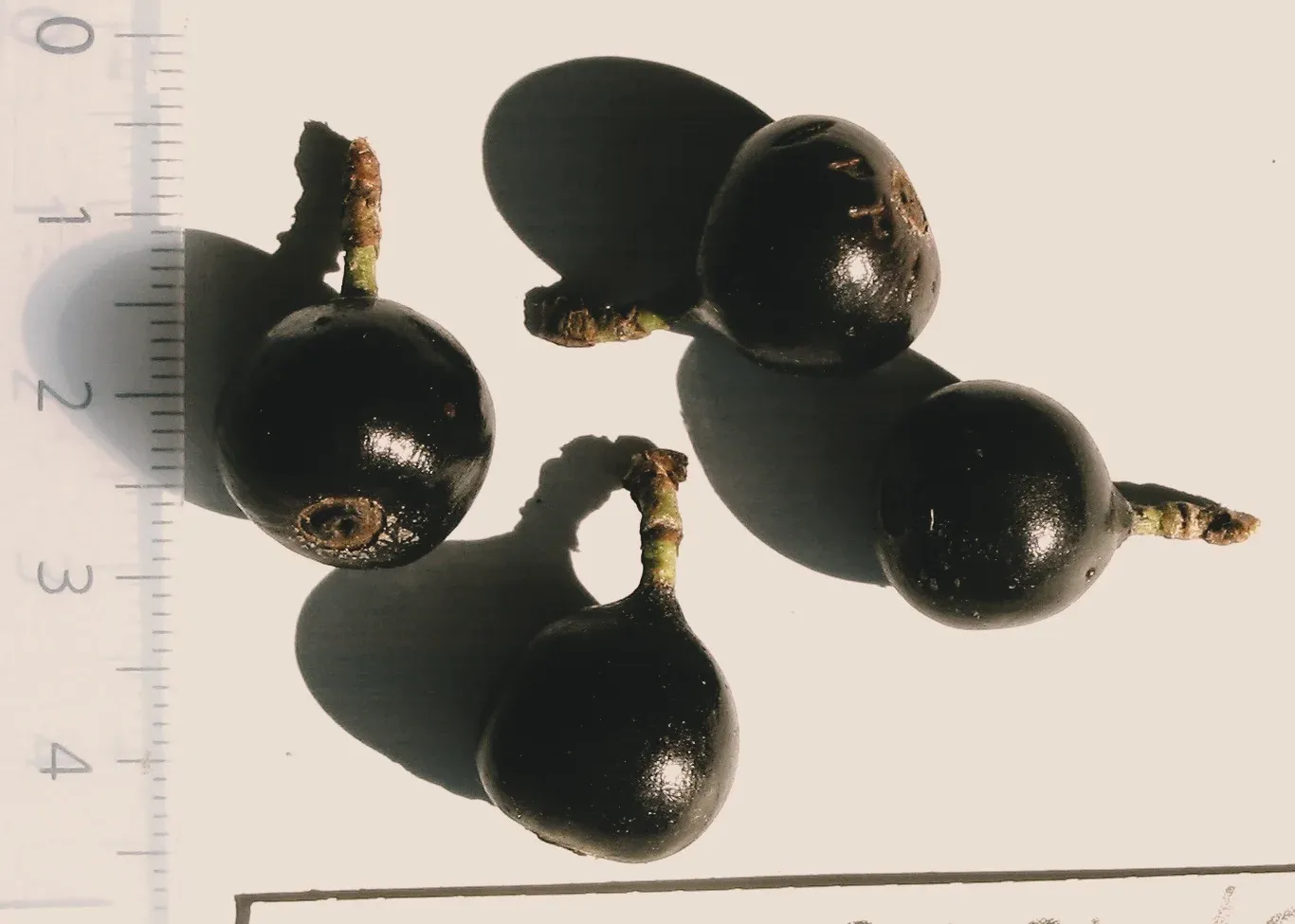
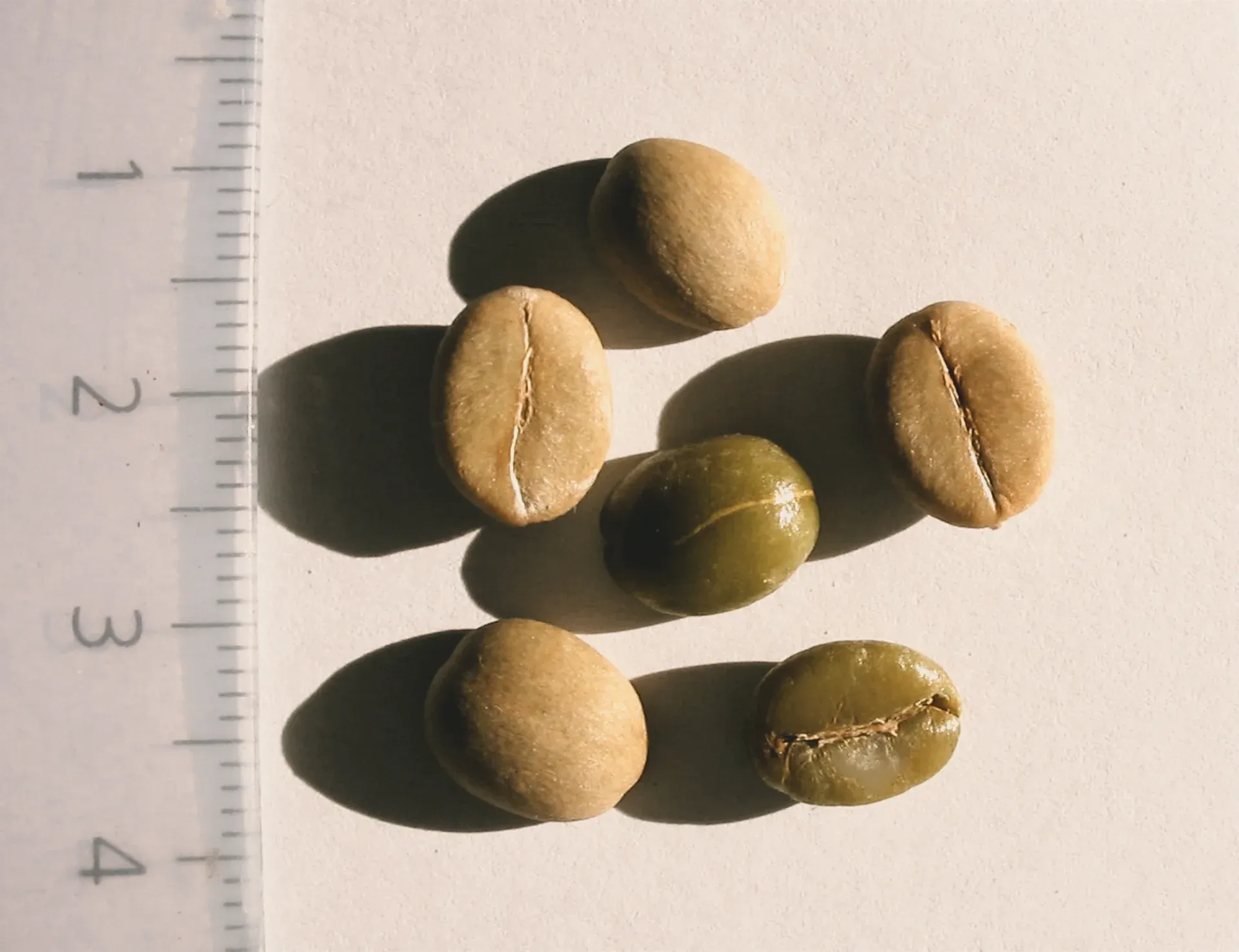
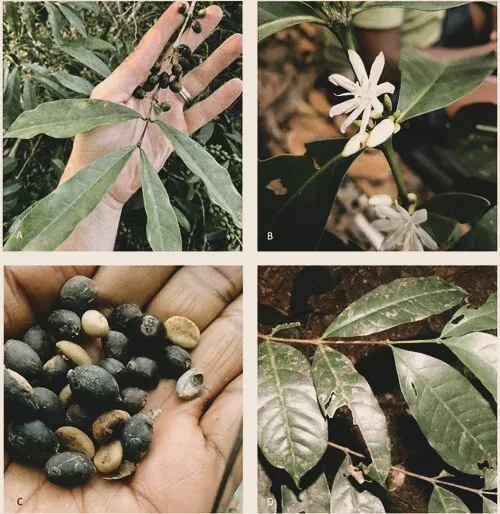
Coffea stenophylla: leaves, flowers, fruit, and green beans. © Emmanuel Couturon, IRD
While Arabica — using wild populations in Sudan and Ethiopia as a benchmark — grows at elevations between 1,000 and 2,200 meters above sea level, C. stenophylla is native to the lowland forests of Guinea, Sierra Leone, and Côte d'Ivoire, where it grows at just 400 masl.
It also handles heat that would stress Arabica significantly — thriving at mean annual temperatures of 25–26°C, up to 6.8°C above Arabica's optimal range of ~18.7°C.
Its annual rainfall requirement of ~1,500–2,288 mm only slightly exceeds Arabica's ~1,600 mm.
Genetic analysis using genotyping-by-sequencing (GBS) has revealed the diversity of stenophylla populations in Sierra Leone, pointing to historical population bottlenecks — yet despite a limited gene pool, the species maintains strong adaptive traits, making it a viable candidate for breeding programs.
All of this suggests that C. stenophylla could be cultivated in regions where neither Arabica nor Canephora would survive today — potentially expanding the global coffee-growing belt. And its heat tolerance may give it an edge as global temperatures continue to rise.
Flavor Breaks the Rules
The received wisdom in specialty coffee goes something like this: quality means Arabica, grown at high elevation, in cool-tropical conditions with stable, limited diurnal temperature variation and high UV exposure. C. stenophylla breaks every part of that orthodoxy.
A 2021 sensory study conducted by expert tasters found that C. stenophylla delivers a complex aromatic profile comparable to Arabica; balanced acidity with pronounced fruit-forward character; and a flavor profile on par with Rwandan Bourbon Arabica. The panels described it as indistinguishable from high-quality Arabica.
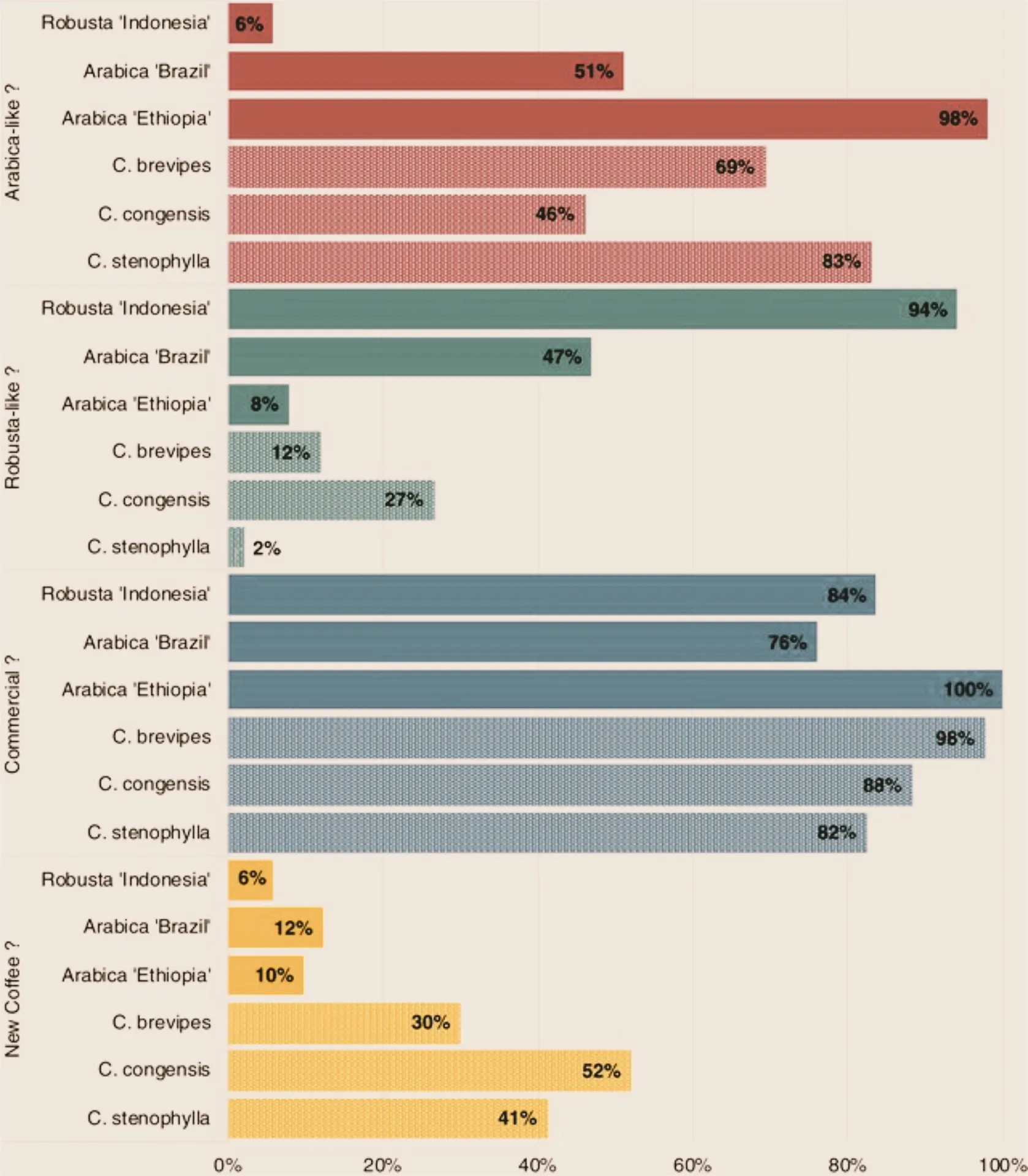

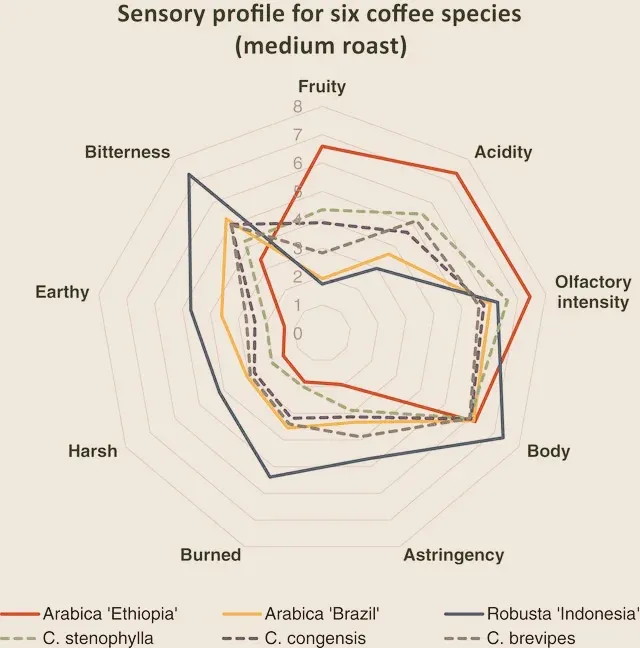
Blind tasting session at CIRAD's sensory analysis laboratory, with comparative sensory and chemical profiles for five Coffea species including C. stenophylla. © C. Cornu, CIRAD
To understand why, you have to go down to the chemistry. Green coffee contains up to 700 different chemical compounds that collectively shape what ends up in the cup. A research team including botanist Aaron P. Davis applied liquid chromatography–mass spectrometry (LC–MS) and metabolomic analysis (PCA) to compare the green bean chemistry of C. stenophylla, Arabica, and Robusta across 26 samples. Here's what they found:
Organic Acids (Acidity and Fruitiness)
Stenophylla shows lower quinic and malic acid levels than Arabica, which may account for differences in perceived acidity and fruitiness. Citric acid content, however, is comparable — and that matters most: citric acid is the only organic acid present above the sensory detection threshold, making it the primary driver of fruity character in the cup.
Chlorogenic Acids and Trigonelline (Bitterness)
Both chlorogenic acids and trigonelline in stenophylla align closely with Arabica, placing its post-roast bitterness firmly in Arabica territory — well away from Robusta.
Sucrose (Sweetness and Caramelization)
Stenophylla's sucrose content exceeds Robusta's and matches Arabica's. This is significant: sucrose drives the development of caramelized and sweet flavors during roasting, and serves as the precursor to roasting-derived organic acids — formic, acetic, and lactic among them.
Alkaloids (Caffeine and Theacrine)
Caffeine content in stenophylla is comparable to Arabica, consistent with averages found across a broad range of Arabica samples from different origins and botanical varieties.
More unexpected: researchers identified theacrine — an alkaloid never previously detected in any coffee species. Theacrine has been found in certain teas and in the leaves of C. liberica, but never in coffee beans. It is known to support cognitive performance without inducing addiction; some studies also suggest calming and hypnotic effects. Its extraction into brewed coffee likely varies with extraction time, due to lower solubility compared to caffeine. The full implications for both sensory profile and the drinker's experience remain an open question.
Taken together, the chemical analysis and sensory panels point in the same direction: C. stenophylla is a credible alternative to Arabica — and possibly, in time, its successor. The combination of flavor profile and climate resilience makes it worth serious attention today, for producers thinking ahead and consumers willing to follow. For now, though, neither group has much chance of getting their hands on it.
The Species That Memory Forgot
The research and field activity of the past decade amounts to a major comeback — a century after the world quietly forgot this species existed.
Historical records trace C. stenophylla back to 1794. It was formally described in 1834, and samples reached Kew Gardens in 1856. By 1904 it was being cultivated in Sierra Leone, Guinea, and Côte d'Ivoire. Commercially known as the "Highland Coffee of Sierra Leone," it was exported to France, and by 1894 colonial networks had spread its seedlings to India, Sri Lanka, Trinidad, Java, and Vietnam. Annual exports from West Africa ran between 3 and 5 tons.
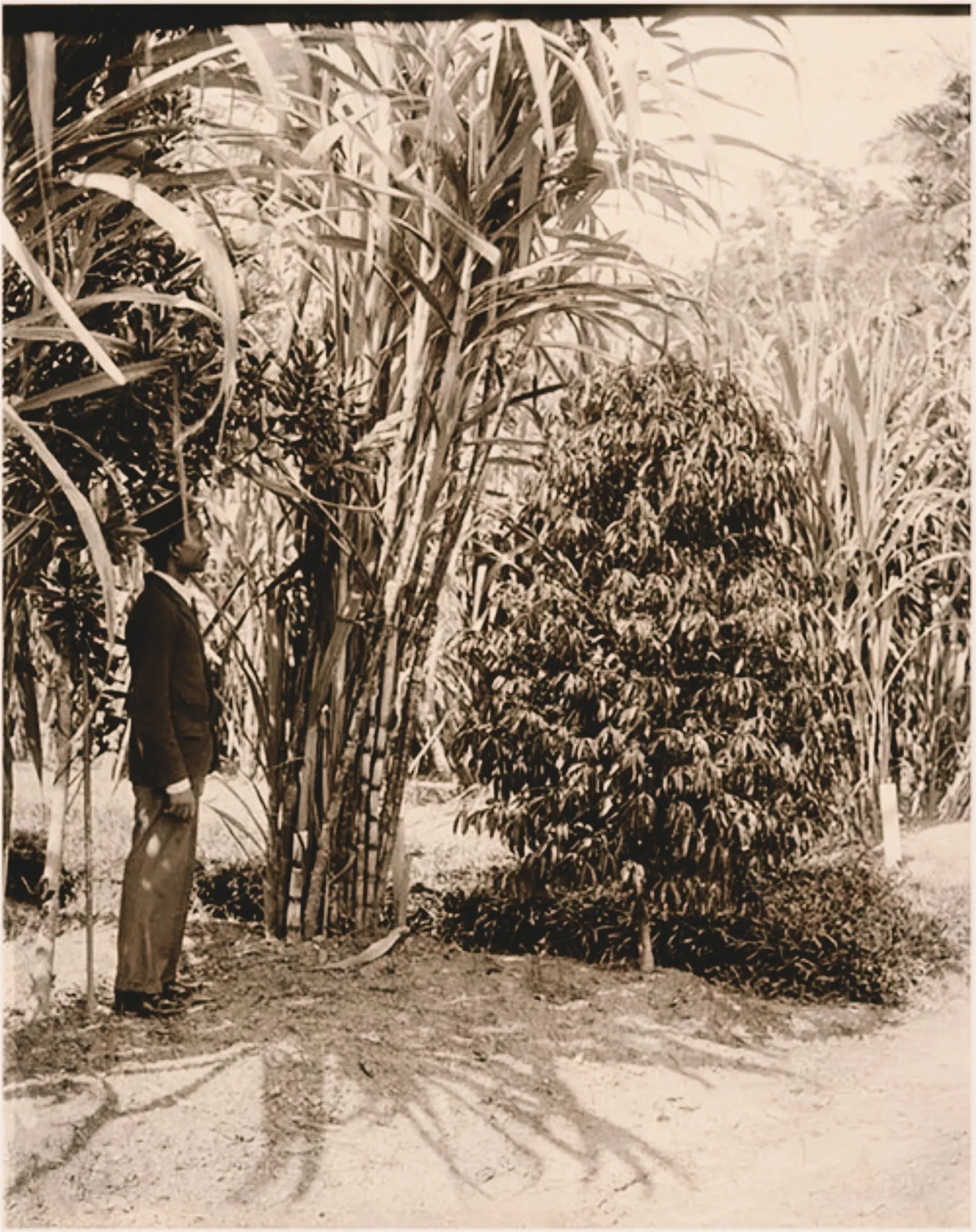
Then the coffee price crisis hit. Despite being regarded as an exquisite coffee — "Suivant beaucoup de dégustateurs, c'est un café exquis" — stenophylla lost ground to higher-yielding species and faded into genuine obscurity. By the 1980s it was showing up only sporadically in field research, surviving mostly in home gardens. For decades it existed on the margins — until its rediscovery just a few years ago.
Geography adds another layer of difficulty. C. stenophylla's native population is found in Sierra Leone — a country that was never a major coffee producer. Peak production, predominantly Canephora, reached around 20,000 tons per year over half a century ago; by 2023 it had fallen to just 3,600 tons (FAO data). Known wild populations are concentrated in two regions — Kenema and Moyamba — some growing near urban areas, others deep within forest reserves, where deforestation remains an active threat.
Heightened Security
C. stenophylla is under protection — unofficial, but serious. Since 2019 it has become the subject of intensive research and practical action, and with that attention has come a new kind of risk.
First plantings are underway. Costly research and analysis are ongoing. Scientists — supported by local communities and international partners — are working to protect stenophylla not only from environmental pressures, but from premature entry into the market. They understand that an uncontrolled leak of genetic material, its hybridization with Arabica, and the early sale of such material as a niche luxury product would be almost as damaging as the species' extinction.
Field and genetic research make it clear: C. stenophylla is threatened. Scientists who have identified a correlation between the decline of wild populations and historical climate shifts and human activity are calling for immediate conservation measures and gene bank storage.
Unity Around Stenophylla
This species needs the care of coffee people — including yours.
A number of initiatives are underway to support its protection and controlled expansion. In Sierra Leone, with backing from German NGO WHH, a stenophylla tree nursery has been established — over 5,000 young trees planted so far, with local communities actively involved. Researchers are experimenting with grafting C. stenophylla onto C. dewevrei (Excelsa) rootstock to improve growth rates and yield. "We hope that the robust and deep-rooted Excelsa plant will increase growth, shorten the time from seed to first flowering, and perhaps even improve the yield of stenophylla," explained Dr. Aaron P. Davis. Companies including Sucafina have invested in cultivation and genetic preservation.
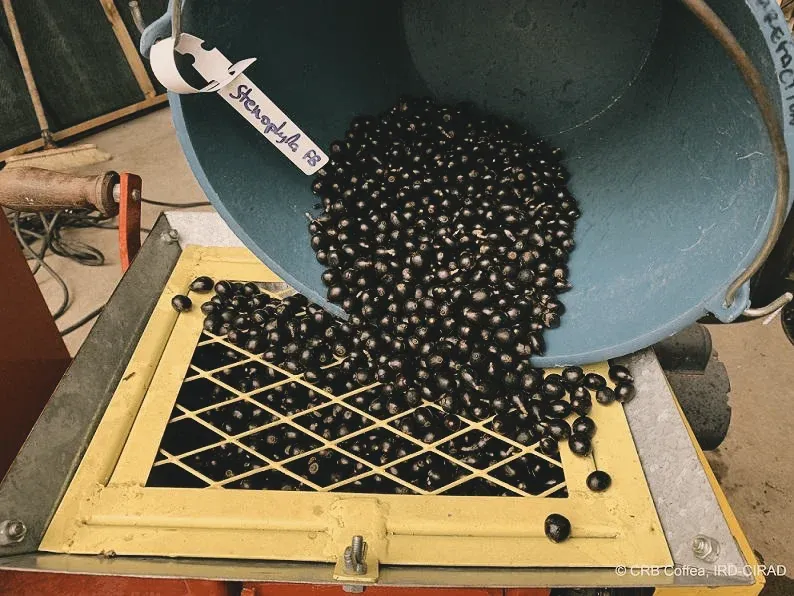
Will it turn out to be our Plan B? Time will tell. But the work around this species is already producing results that go well beyond botany or climate science. Women and young people in Ngegeru have found employment. Investors have funded the construction of clean water wells and sanitation facilities. The social impact is already visible — and stenophylla hasn't made it into a single cup yet.
Support this work
If this text was useful to you, you can support Red Ink Coffee.
Contributions help cover basic infrastructure costs and keep this space independent.
Voluntary. No perks. No obligations.
I've drawn on the work of researchers from the Royal Botanic Gardens, Kew (UK), the University of Greenwich (UK), and research teams from Sierra Leone, Nigeria, and the USA. I encourage you to explore their studies directly: