Better Means: The Harm We Don't See
This is a pacifist endeavour. But pacifism starts long before war.

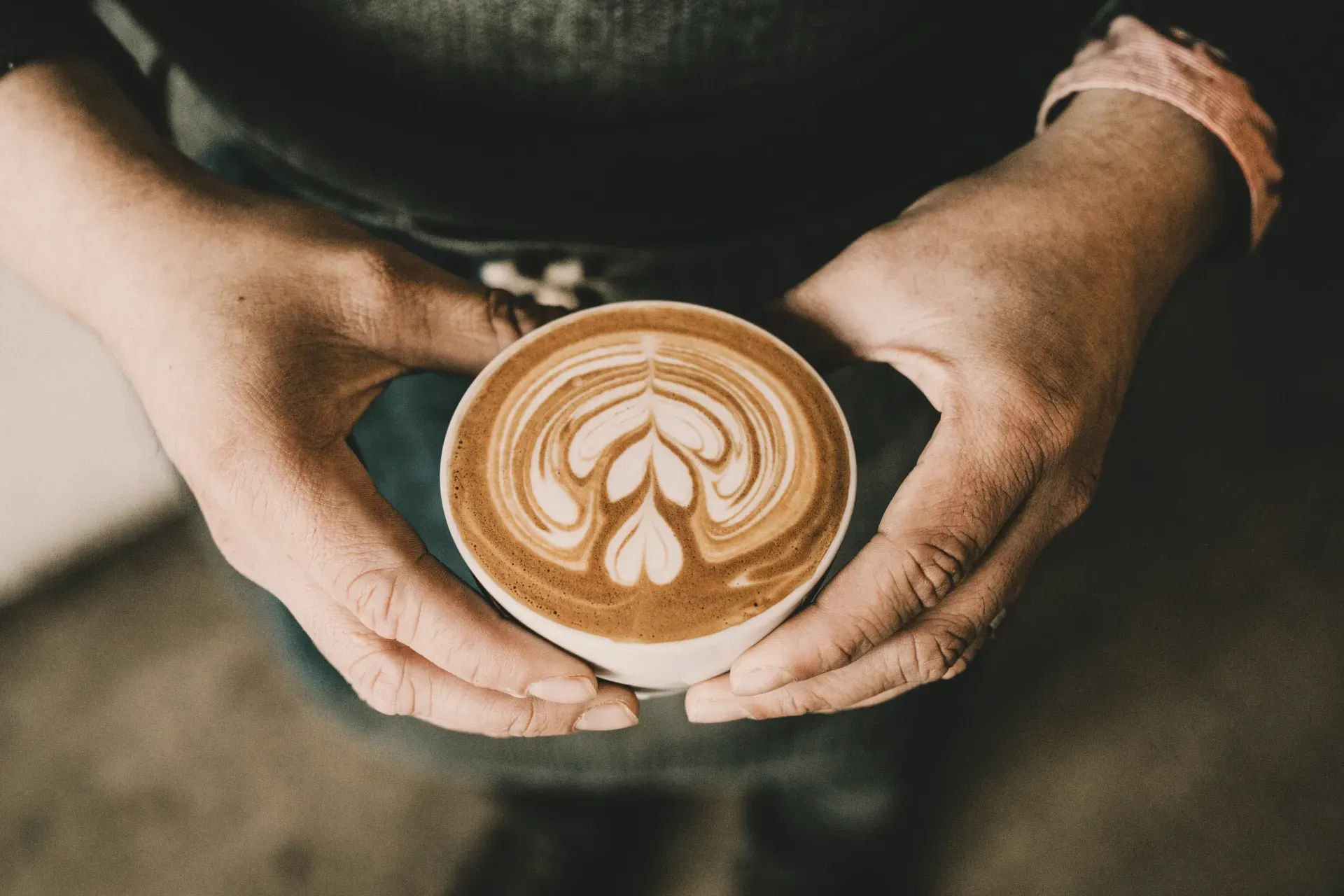
Harm rarely arrives from outside — in uniform, armed, with a clearly named perpetrator. More often it is quiet. It happens in the relationship between a boss and an employee when someone is afraid to speak up. In a family where violence is the norm passed down through generations. In a café where a barista smiles at customers and cries after closing. On a plantation where a picker has no right to refuse or ask about the price.
Non-harm has many dimensions. Economic violence — when a fair price is the exception, not the rule. Physical and psychological violence against workers — when working conditions break a person before they have a chance to protest. Action taken against someone's will, without consent, without the possibility of refusal.
Every harm compounds a loss of trust. In other people, and in the systems that reproduce it.
Social coexistence requires consent: only a person aware of the risks can agree to compensated effort, including the use of their image. Trust and care for others — not only for those who are weaker — form the foundation of a social order that does not harm its members.
When we drink specialty coffee, it may not even cross our minds that the coffee people who make it live in the shadow of fear brought on by war. Even roasters buying green coffee often pay no attention to this at all.
What is a fair price for green coffee in the face of armed conflict?
Read more in the free The Better Coffee Standard.
The list of coffee-producing countries where wars are being fought — ethnic, border, internal — keeps getting longer. Coffee people become refugees. They lose farms their families cultivated for generations. They lose hands and legs to landmines. They lose their lives. We write about this separately — here: [link].
Today, waves of resistance — against the wars in Ukraine, Palestine, Iran, and many others — move through a fragmented landscape of social media, without a single center. People take to the streets and go home. Pacifism as a force capable of stopping war is still searching for its form.
We reject war and violent struggle over natural resources. At The Better Coffee, we cannot stop wars. We can start with what is closer — and refuse to pretend that harm has nothing to do with us.
Support this work
If this text was useful to you, you can support Red Ink Coffee.
Contributions help cover basic infrastructure costs and keep this space independent.
Voluntary. No perks. No obligations.