In coffee, knowledge often behaves like a commodity. It is sold through courses, locked inside certifications, hidden behind paid publications, or treated as competitive advantage.
Access to it is often restricted by institutions, language, money, or one’s position within the industry.
Yet knowledge does not emerge in isolation. It is created through the work of people — researchers, producers, roasters, baristas — and through the reality we collectively shape.
Shared knowledge means recognizing knowledge as a common resource. It is a tool that helps coffee people better understand their work, their environment, and their ability to act — and to act in ways that support Well-Being and Meet Needs.
Today’s coffee system often works in the opposite direction.
Research results end up behind academic paywalls. Technologies and plant varieties are patented. Sensory, agronomic, or processing data is treated as proprietary trade knowledge. Knowledge begins to function as a mechanism of market control.
As a result, coffee people — especially in producing countries — often lack access to information that directly concerns their work and their lives.
At the same time, another problem grows within the industry: educational elitism.
Certifications replace understanding. Training programs repeat established formulas instead of cultivating critical thinking. Access to knowledge becomes controlled by closed institutions and systems of recognition.
In this way, knowledge stops functioning as a shared resource.
It becomes an instrument of hierarchy.
Shared knowledge begins with a simple assumption: knowledge about coffee belongs to the people who work with it.
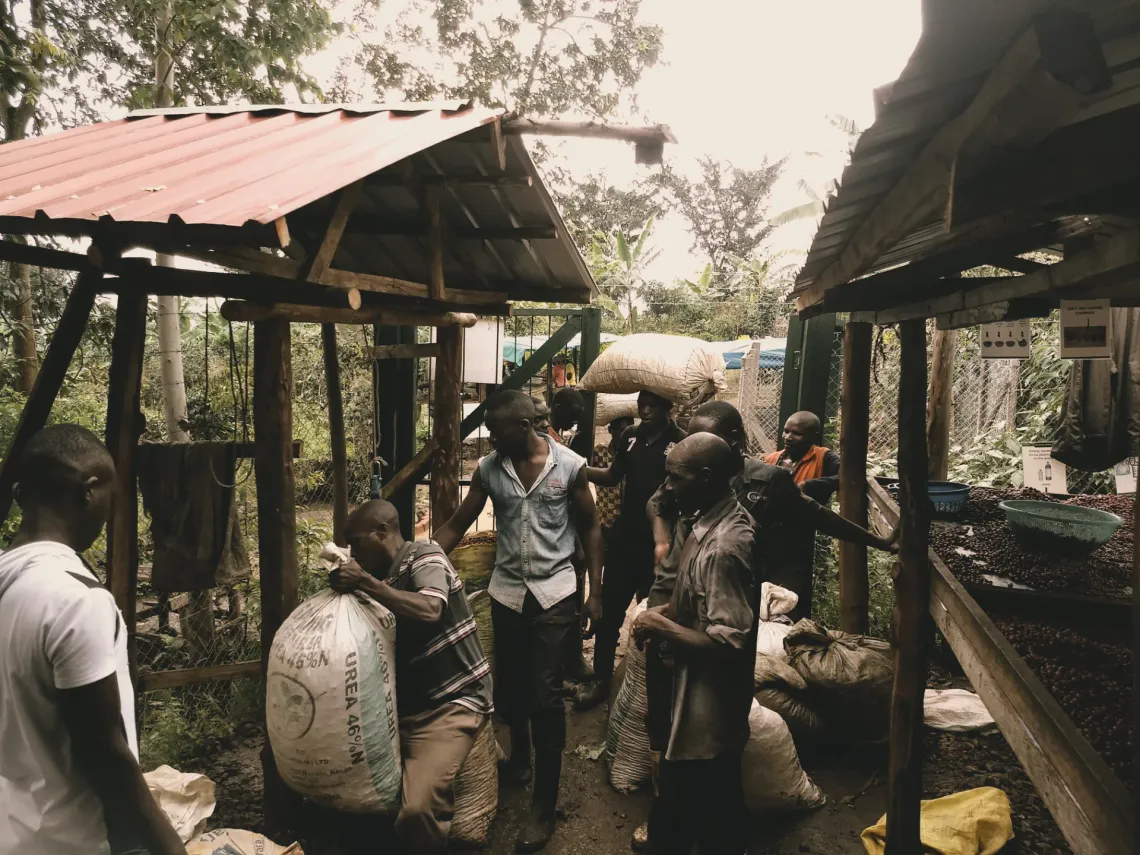
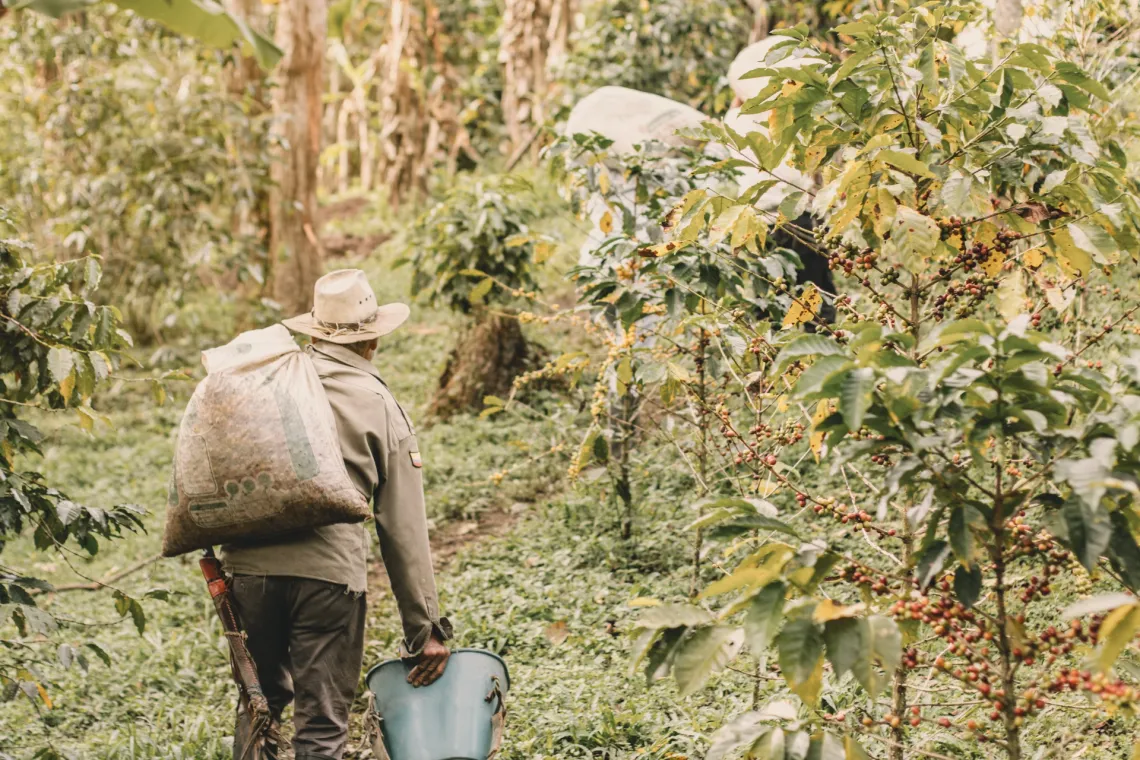
This includes both scientific research and the experience of everyday practice. A producer observing a plantation, a barista working with hundreds of customers, a roaster analyzing roast profiles — all of them contribute to the knowledge of coffee.
For this reason, The Better Coffee supports open documents, the public sharing of research results, and education treated as a common good.
Read more in the free The Better Coffee Standard.
This does not mean rejecting science or professionalism.
It means recognizing that knowledge grows when it circulates.
When it can be criticized.
When it can be tested in practice.
When different experiences meet and correct one another.
This is why The Better Coffee develops structures that support this circulation.
The Better Coffee Curriculum creates an open educational space where knowledge is developed and shared as a common good rather than a restricted resource.
The Places conduct research at the scale available to them and share their results.
The Trainers develop knowledge through practice, education, and work with people.
The Ranking Method builds a shared dataset about coffee quality, environmental conditions, and the realities of work.
Knowledge then begins to function as it should: as a shared resource that improves the living conditions of coffee people.
Shared knowledge is not about accumulating information.
It is about sharing it.
It is about building an environment in which knowledge is not a privilege, but a tool for cooperation.
Understood this way, knowledge supports Dignity, Radical Equality, and Cooperation. It helps coffee people make decisions grounded in reality rather than in marketing or institutional authority.
That is why, in The Better Coffee, knowledge is not a product.
It is a shared good.
You can access it freely through the Conversation course within The Better Coffee Curriculum. Schedule a conversation with The Trainers and ask anything related to your work with coffee.
Support this work
If this text was useful to you, you can support Red Ink Coffee.
Contributions help cover basic infrastructure costs and keep this space independent.
Voluntary. No perks. No obligations.